
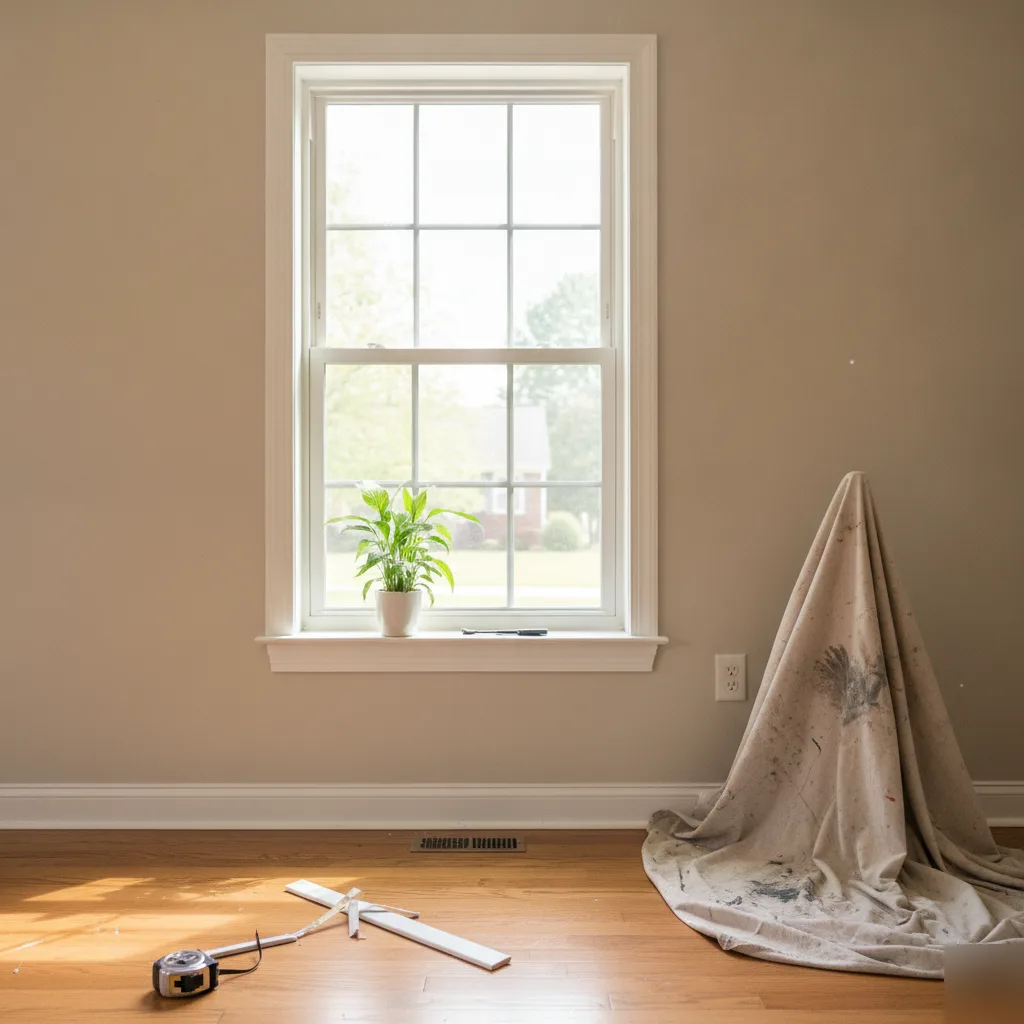
Signs Your Vinyl Windows Need Attention
Fogged glass, drafty frames, and windows that stick or won't latch are signs your vinyl windows are failing. Catching these early saves you from bigger energy loss and frame damage later.
Your windows tell you before they fail completely. Foggy glass, sticky frames, and a draft you can feel standing three feet away are common signs. Most homeowners notice these things before they call us.
- Condensation or fog trapped between the panes, a sign the seal has broken
- Frames that feel soft or flex when you press on them
- Windows that won't latch, lock, or slide without a fight
- Cold air leaking in around the frame even with the window shut tight
- Visible warping, yellowing, or cracking in the vinyl itself

We got a call last winter from a homeowner near Ashburn Village. Their windows were original to the house, built in the early 2000s. Years of sun had made the vinyl brittle. The bottom sash had warped enough to leave a gap. That small gap was doing more damage to their heating bill than they realized.
Not sure if what you're seeing is normal wear or a real problem? That's a fair question. It's the seal that's failed. Once that goes, the glass can't hold its insulation anymore. No amount of caulk fixes it.
Discover our home exterior services.
Why Ashburn Homes Are Reaching Window Replacement Age
A lot of Ashburn was built in a tight window, the 1990s through the early 2000s. Neighborhoods like Ashburn Farm and Broadlands went up fast. That means thousands of homes here have the same builder-grade vinyl windows, installed at the same time.
Vinyl windows are rated to last around 20 to 25 years before the seals start giving out. Do the math on a house built in 1998, and you land right in the trouble zone. We see this every week. Homeowners call because their windows fogged up overnight. They assumed something was wrong with their glass.
Nothing's wrong. It's just age catching up.
- Fogging or a hazy film between the glass panes, a sign the seal has failed
- Windows that stick, won't latch, or feel loose in the frame
- Drafts you can feel near the frame even with the window shut tight
- Warping or discoloration on the vinyl itself from years of sun exposure
Add in Ashburn's swing between humid summers and cold winters. That seasonal stretching wears vinyl down faster than people expect. So if your house falls in that late-90s to mid-2000s build range, your windows aren't broken because you did anything wrong. They're just at the age where this happens to almost everyone on the block.
When Repair Makes More Sense Than Replacement
Not every window problem means you need a full replacement. That's the truth, even if it's not what a sales pitch wants you to hear.
According to Pella, if your window is only a few years old and the glass has fogged up, that's usually a broken seal, not a dying window.[1] A new sash or an insulated glass unit can fix that without tearing out the whole frame. The same goes for a window that's sticking or hard to lock. Sometimes it's just paint buildup or a balance spring that's worn out. With a sticky window, we find the fix is smaller than the homeowner expects.
- Foggy glass but the frame and seal around the house are still solid
- One or two windows acting up while the rest of the house is fine
- Hardware that's loose, stuck, or hard to lock
- Minor drafts you can fix with new weatherstripping
Here's where it gets real. If your frames are still square, the vinyl isn't cracked or warped, and water isn't getting behind the trim, repair can buy you years. We'd rather tell you that upfront than sell you something you don't need yet.
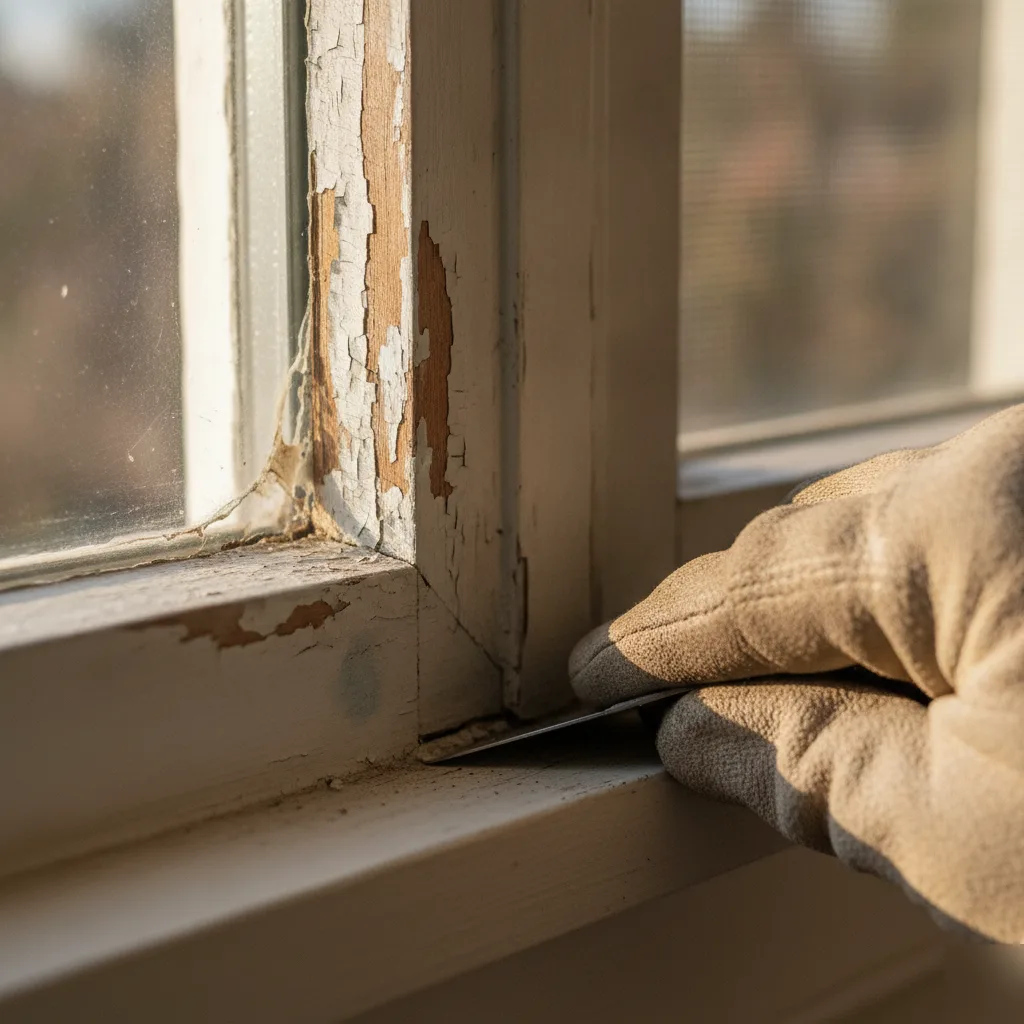
But if you're dealing with rot in the framing, multiple windows failing at once, or a home that's original to construction and pushing past its expected lifespan, repair starts costing you more in labor than it saves. That's the line. Ask yourself if this is one window acting up or a pattern across the house. That answer tells you almost everything.
How Vinyl Window Installation Pricing Works
Most companies price vinyl window installation per window, not as one flat job. That's because every window is its own little project. Size, frame condition, and what's hiding behind the trim all change the work involved.
We look at the whole house first, then price window by window. A picture window in the front facade is a different job than a smaller bedroom window out back, and the quote should reflect that.
- Window size and total count for the project
- Vinyl grade and pane type, basic double pane versus higher-performance glass packages
- Removal and disposal of the old windows
- Trim and capping work around the new frame
- Access difficulty, like second-story windows or brick reveals that need extra flashing
Older Ashburn homes, especially ones with original builder-grade windows from the early 2000s, often need more prep work than newer construction. That prep gets priced in. It's not a surprise add-on if the estimator does their job right.
Before you hire anyone, ask a few plain questions. Does the quote include haul-away of the old windows? Is trim capping part of the price or separate? Will they pull a permit if the job needs one? Ask these up front. It saves everybody a headache later.
A fair quote should walk you through the costs line by line, not just hand you one number and move on.
What Happens During Vinyl Window Installation
Most folks picture a crew ripping out windows and leaving plastic sheeting everywhere. That's not how it goes. A real vinyl window installation is careful, room by room, one window at a time.
In the older sections near Ashburn Village, homes built in the late 1990s often still have their original wood-frame windows. The sill underneath usually shows some rot by now. We check for that before anything else. If the framing is soft, that gets fixed before the new window ever goes in.
- Remove the old window carefully, without damaging the drywall or exterior siding around it
- Inspect the framing and sill for rot, moisture damage, or gaps that need repair first
- Dry-fit the new vinyl window to check the level and the fit before securing it
- Insulate around the frame with foam so there's no gap for air to sneak through
- Install exterior trim and flashing to keep water moving away from the opening
- Seal the perimeter with caulk, inside and out
- Clean up the work area and haul away the old window
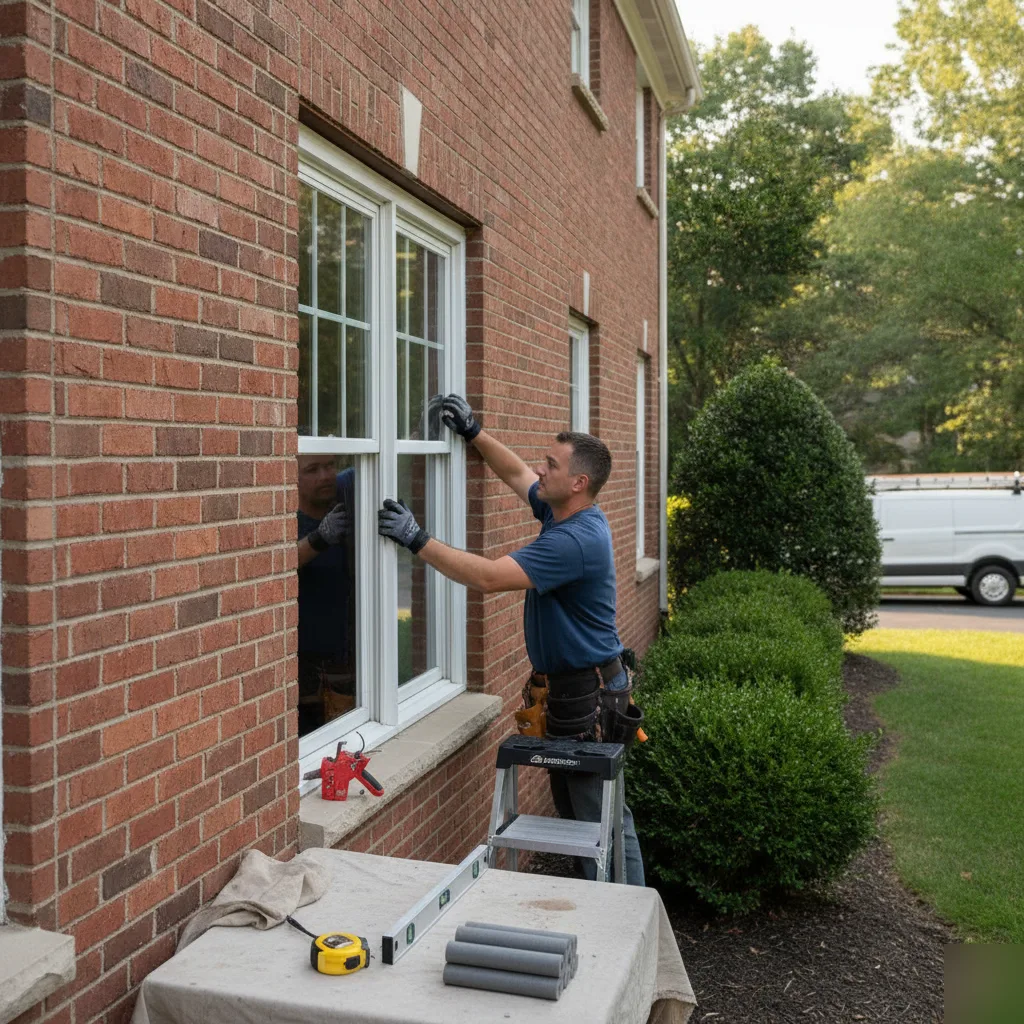
We see this every week. An install that looks simple on the surface takes real attention at the framing stage. Skip that step and you'll get a window that looks fine for a year, then starts fogging up or letting in drafts. Most single windows take under two hours once the crew gets moving. A full-home job takes longer, but each window still gets the same steps.
Not sure what your install day will look like? That's a fair question, and it's one we walk through before we ever start.
Vinyl Window Installation in Ashburn.
Frequently Asked Questions
Common questions about Vinyl Window Installation
How long does vinyl window installation take?
What happens when the crew arrives to install my windows?
Why are so many Ashburn homes needing window replacement right now?
How do I know if I need a repair or a full replacement?
What should I ask before hiring someone for window installation?
Sources
[1] Pella. Window Condensation Tips. https://www.pella.com/ideas/windows/window-condensation-tips/