
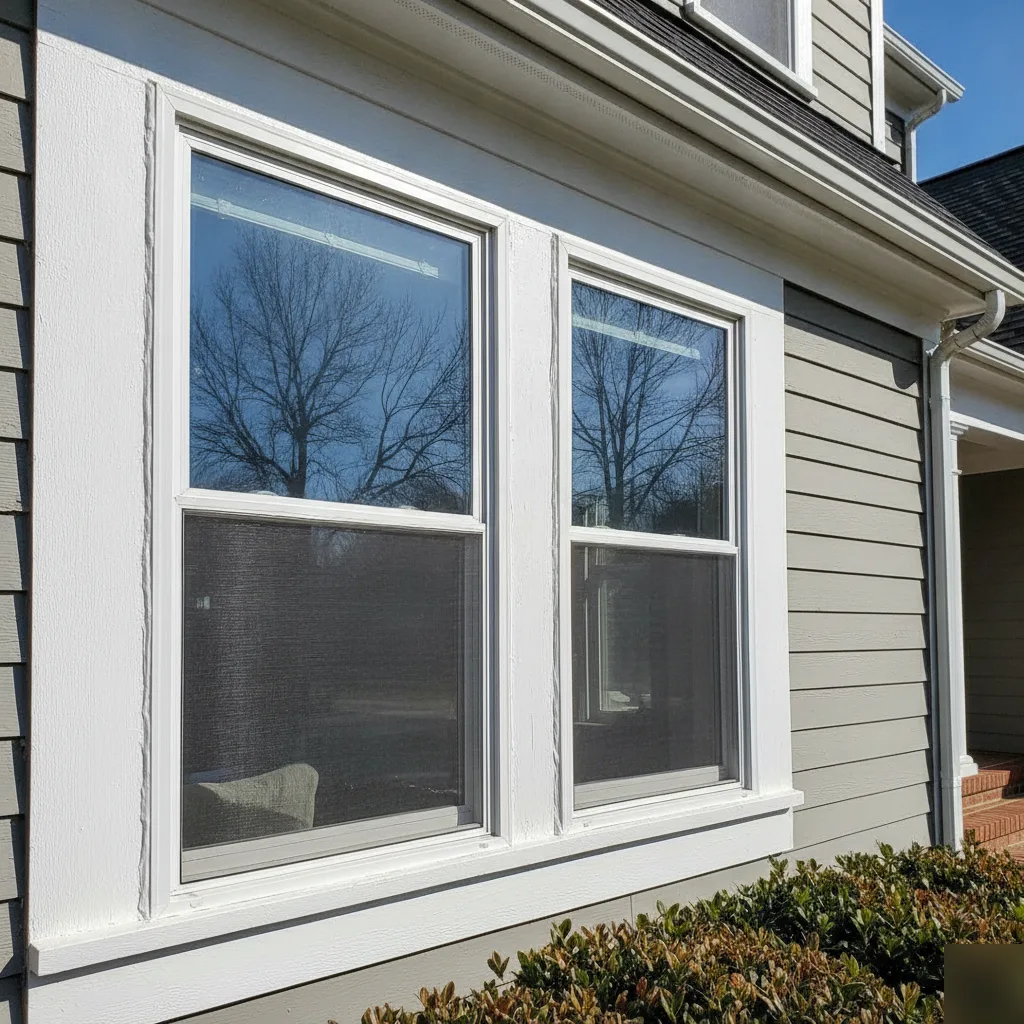
Signs Your Windows Need Storm Protection in Ashburn
Homes in Ashburn built from the 1990s through the 2000s often have aging vinyl double-hung windows. Recent hail near Sterling showed how vulnerable screens and glazing can be. This section highlights warning signs, like drafts, torn screens, or foggy panes, that tell you it's time to consider storm protection before the next damaging storm.
A widely discussed thread on r/nova described a hailstorm that tore through Sterling. It shredded window screens and left dents in siding and gutters. That storm reminds Ashburn homeowners that this region does get damaging hail and wind. Standard builder-grade windows are not designed to withstand them. If your screens were bent, punctured, or blown out during a similar event, your window assembly may need reinforcement.

Most Ashburn neighborhoods, from Broadlands to Ashburn Farm to Brambleton, saw heavy development from the mid-1990s through the 2000s. This means most homes here have vinyl double-hung windows that are two to three decades old. These windows were solid for their era, but their vinyl frames, weatherstripping, and seals have a functional lifespan. Many are starting to show their age. Retrofitting storm protection on these homes is different than on an older brick colonial with wood sash windows. An assessment needs to account for vinyl frame compatibility and existing track systems.
- Noticeable drafts or cold spots near window frames during windy conditions
- Screens that are torn, bent, popped out, or missing after a storm
- Visible condensation or fogging between panes, a sign the seal has failed
- Any single-pane sections, common in original transom or basement windows
- Windows that rattle or shift visibly during high winds
- Difficulty opening or latching sashes, indicating warped or swollen frames
- Visible gaps or daylight around the window frame when viewed from inside
If you are noticing even one or two of these signs, it's a good idea to have your windows evaluated. Do this before the next major storm. A quick inspection can determine whether storm windows, upgraded screens, or full retrofit units make the most sense for your home.
Explore exterior home services.
Storm Windows vs. Full Window Replacement
Here's the question we get asked more than any other: Should you just add storm windows, or is it time for full window replacement? Storm windows are a great fix when your existing window frame is solid. They work well when the glass just isn't holding up against the wind. But if the frame is rotting, the seal is shot, or the window won't open without a fight, a storm window is putting a bandage on a bigger problem.
We walk this line with homeowners every week. Here's how we sort it out on site.
- Frame feels solid, no soft or spongy wood when you press near the sill
- Window opens and closes without sticking or forcing
- Drafts are the main complaint, not visible rot or fogging between panes
- You're planning to stay in the home a few more years, not doing a full remodel
If you're checking most of those boxes, storm windows make sense. If you're not, we'll tell you straight: don't spend money on storm windows over a frame that's already failing. Many original homes around Ashburn still have their first-generation single-pane windows. On those, the wood behind the glass has usually taken on decades of moisture. A storm window over rotting wood just traps the moisture more tightly. That's just what we see when we pull the old sash out.
Full replacement costs more upfront, no question. But it solves the frame and the glass at once, permanently.
When Storm Windows Won't Solve the Problem
Storm windows are a fix for a specific problem. They're not a fix for every problem. If your window frame is rotted, warped, or the glass is fogged up with moisture trapped between panes, a storm window just covers that up. It doesn't repair it.
We get calls where someone's heard storm windows will solve a draft, and it just won't.
Take a lot of the older homes in Ashburn Farm, built in the '90s with original single-pane aluminum frames. Those frames have shifted over the years, some by a quarter inch or more. A storm window mounted on a frame that's already out of square won't seal right no matter how well it's installed. You'd be spending money to slow down air movement a little. The real leak keeps leaking around the frame edges.
- Rotted or soft wood around the window opening
- Visible gaps or daylight around the existing frame
- Fogging or condensation between panes on double pane windows
- Cracked or missing glazing putty on older wood sash windows
- A frame that's visibly bowed, twisted, or won't close flush
If you're seeing any of that, storm windows won't get you where you want to go. You need the window itself looked at, maybe replaced, before anything else makes sense. If your home already has newer double-pane vinyl windows in good shape, adding storm windows usually isn't worth it either. The seal you'd be chasing is already there.
Here's the honest version: storm windows help old, drafty, single pane windows perform better for less money than a full replacement. That's the whole job. Ask them to do more than that, and you'll be disappointed.
Not sure what your storm window installation project needs? Ask us.
What to Expect During Storm Window Installation
Most Ashburn homeowners are surprised by how straightforward storm window installation is once a crew arrives. The process begins with a walk-through assessment of every window opening. The installer checks frame condition, existing weatherstripping, sash operation, and any rot or gaps that could affect the fit. This is also when the installer notes whether your home has wood, vinyl, or aluminum primary windows. This affects which mounting hardware and fasteners will be used.
After the assessment, precise measurements are taken for each opening. Storm windows are custom-fit, so even small variances between openings in an older Ashburn farmhouse or a newer townhome near Brambleton are accounted for individually. This is when you finalize material and style selection, choosing between aluminum or vinyl frames and standard or Low-E-coated glass. You also pick configurations such as double-hung, triple-track, or fixed panel units to match your existing windows and climate needs.
- Assessment of frame condition, square, and existing window material
- Precise measurement of each window opening for custom fit
- Selection of frame material, glass type, and operating style
- Mounting the storm window over the existing exterior frame
- Sealing edges with weatherproof caulk or gasket material
- Functional check to confirm smooth opening, closing, and locking
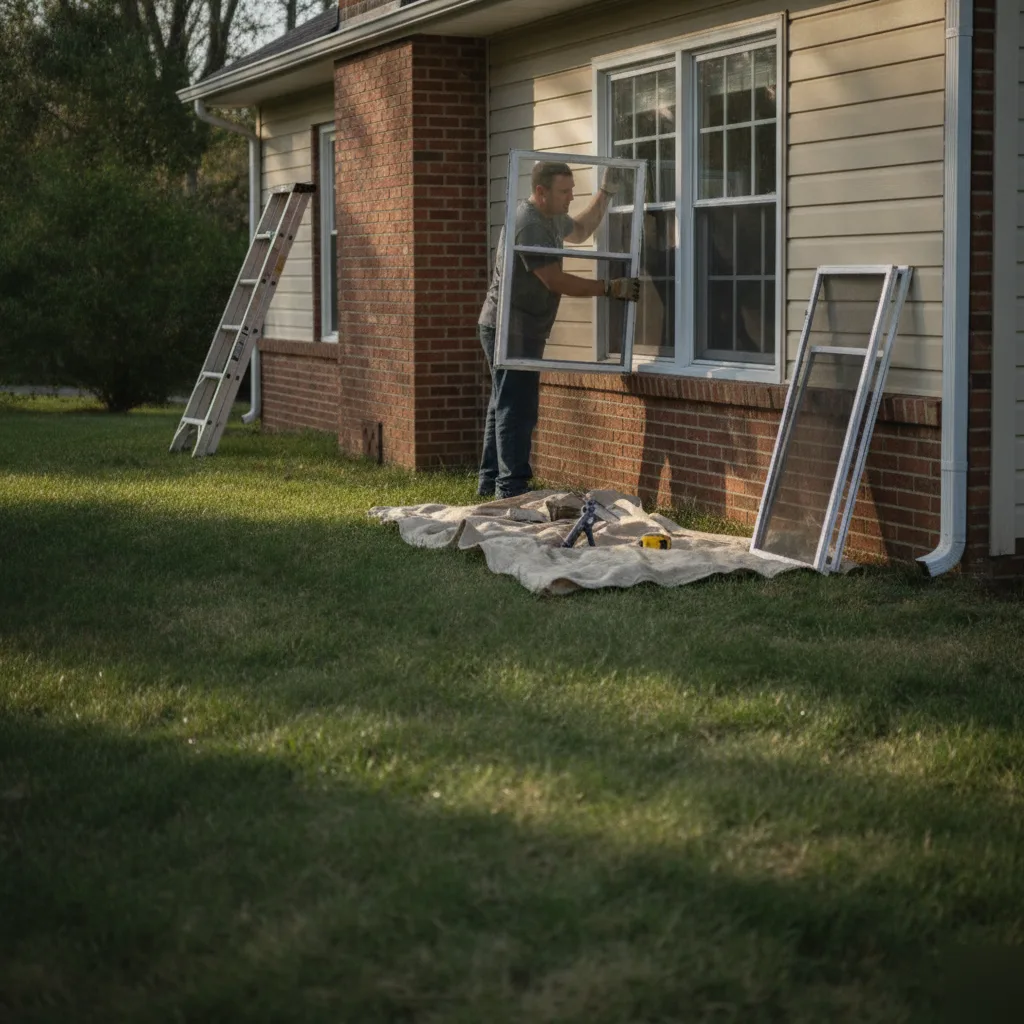
On installation day, the units are mounted directly over your existing window frames rather than replacing them. This keeps disruption to a minimum. There is no need to remove interior trim or drywall. Most homes have all windows completed within a single day, depending on the total count. Once mounted, installers seal the perimeter with weatherproof caulk or compression seals to block drafts and moisture. Then they perform a functional check on each unit, opening, closing, and locking every sash to confirm smooth operation before wrapping up.
According to Virginia DHCD, permit requirements can vary depending on the scope of work.[1] This is particularly true if installation involves structural changes to the opening or affects egress windows. Straightforward storm window add-ons over existing frames often fall outside permit requirements. This is not guaranteed for every property. Confirm directly with the Loudoun County Department of Building and Development before work begins. This helps your project stay compliant from day one.
Keeping Storm Windows Working Season After Season
A storm window installation is only half finished when the unit is set into the frame. The other half is verification: confirming that every latch engages smoothly. The sash should glide open and closed without binding. The seal should compress evenly around all four sides. Skipping this step is how homeowners end up with a window that looks correct but performs poorly. It lets drafts through exactly where a tight seal was supposed to form.
- Open and close each sash fully to confirm smooth, unobstructed movement
- Test latches and locks under normal pressure, not just a light touch
- Check for even reveal gaps around the frame perimeter
- Run a hand along the weatherstripping to feel for gaps or compression loss
- Confirm drainage weep holes are clear and unobstructed
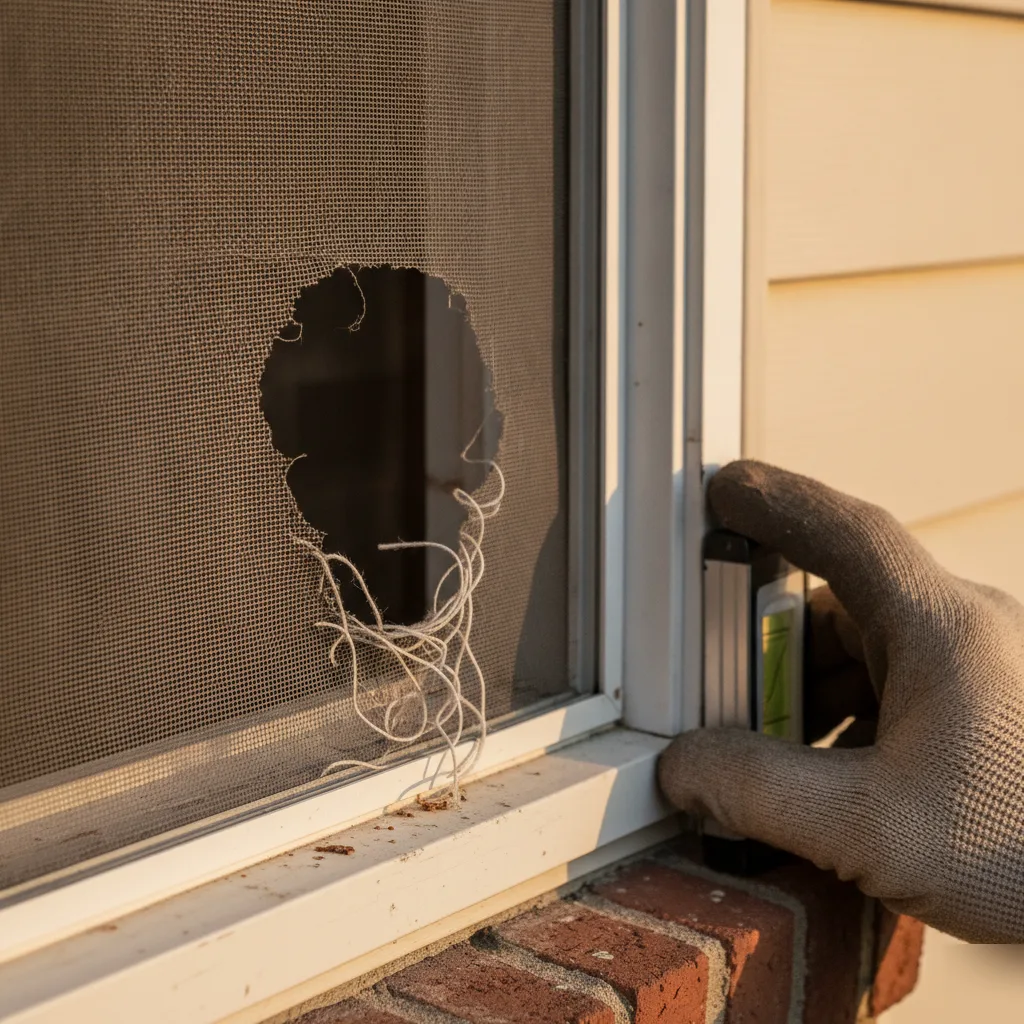
Measurement precision makes that functional check pass in the first place. Even a gap of one eighth of an inch on one side of a frame can leave a channel for outside air to bypass the seal. This defeats the energy-saving purpose of adding storm windows. Precise measurement at the start prevents the shimming shortcuts and caulk overcompensation that installers sometimes use to mask a poor fit. It is the difference between a window that performs for fifteen years and one that needs revisiting within a single season.
In Ashburn and Sterling, demand for storm window work tends to follow two patterns. The first is proactive: homeowners scheduling installation in late summer and early fall to seal up the house before winter heating costs climb. The second is reactive, following the hail and high wind events that move through Loudoun County during spring and summer storm season. Reactive jobs often involve replacing a cracked pane or a warped frame on short notice. The same measurement and fit standards apply even under time pressure.
Whether the job is planned months in advance or triggered by storm damage, the underlying principle stays the same: a correct installation now prevents a repeat service call later. Rushed or imprecise work tends to resurface as callbacks once temperatures swing or the next storm rolls through.
Storm Window Installation in Ashburn.
Frequently Asked Questions
Common questions about storm window installation
How soon can you install storm windows after a storm damages my screens?
What happens during a storm window assessment visit?
Are Ashburn's older vinyl windows different when it comes to storm window installation?
How do I know if I need storm windows or full window replacement?
Will storm windows fix condensation between my window panes?
Sources
[1] Virginia Department of Housing and Community Development. Virginia Uniform Statewide Building Code (USBC). https://www.dhcd.virginia.gov/virginia-uniform-statewide-building-code-usbc