Recognizing Roof Damage That Signals a Legitimate Insurance Claim
Not every roof problem is an insurance problem. It's a hard truth.
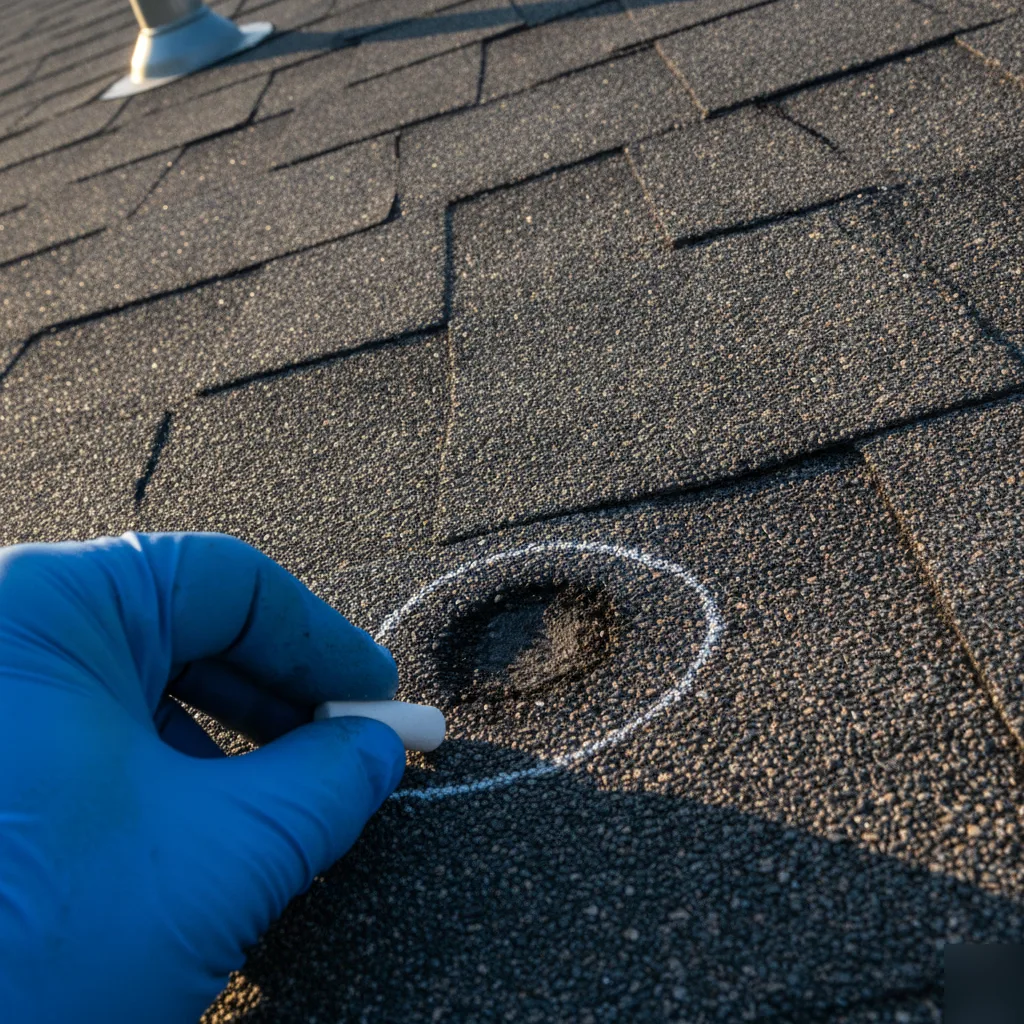
Storm damage is what insurance companies pay for. Wear and tear is not. So what counts? Hail bruising on shingles looks like small dark circles or dents, often clustered on one slope of the roof facing where the wind was blowing. Wind damage shows up as lifted or missing shingles, usually along the edges or ridge line first. A tree limb crack or a chimney flashing torn loose after a storm — that's a claim.
Shingles that are just old, curling, and losing granules everywhere because they're 18 years past their prime? That's a repair or replacement job you'll pay for out of pocket, not the insurance company.
We see this often around Leesburg after a summer thunderstorm rolls through. Homeowners hear hail hit the roof, panic a little, and call us the next morning. If there was actual hail with any size to it, we would find bruising somewhere on that roof. Leesburg gets its share of these fast-moving storm systems in spring and summer, and roofs built with standard asphalt shingles take the brunt of it.
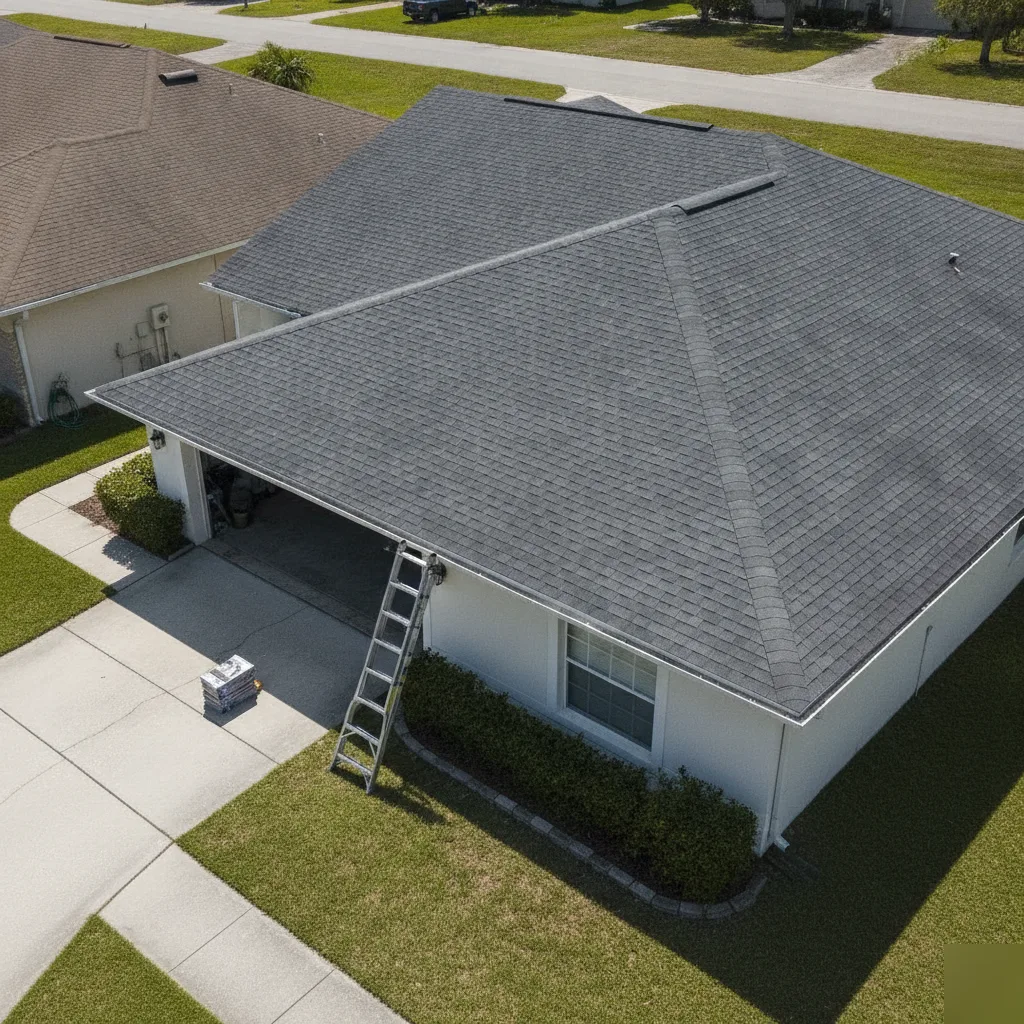
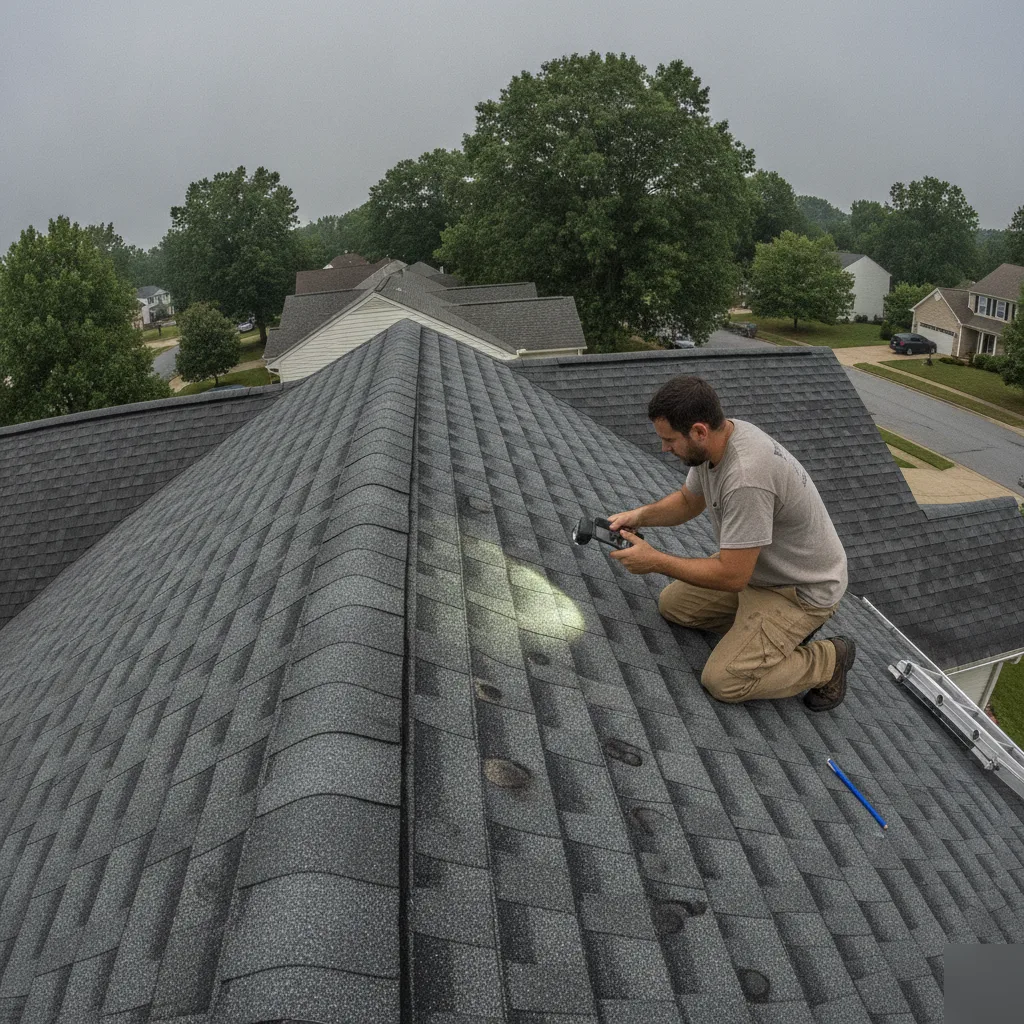
Here's a scenario we run into a lot. A homeowner notices a water stain on the ceiling after a heavy rain and assumes the whole roof needs replacing. Sometimes that's true. Sometimes it's one cracked piece of flashing around a vent pipe. Getting up there and looking close, not guessing from the ground, is what tells you which one you're dealing with. That's why we do a full roof inspection before anyone files anything.
The Claims Process From Documentation to Payment in Leesburg
The paperwork with insurance claims matters more than the damage sometimes. Adjusters don't see what you see. They see what's written down and photographed. The whole process comes down to building a record that holds up.
We walk this with you step by step, and it usually looks like this:
- We inspect the roof and take close photos of every damaged spot, shingle bruising, cracked flashing, whatever's there.
- We write up our findings in plain language, the kind an adjuster can read in five minutes and understand.
- You file the claim with your insurance company, or we help you get that started.
- The adjuster comes out and does their own inspection, often within a week or two.
- We meet the adjuster on the roof when we can, so nothing gets missed or misread.
- The insurance company issues their scope of damage and a payment estimate.
- We compare that estimate against what the roof needs and flag any gaps.
An adjuster might approve a repair when the shingles are old enough, or damaged enough, that a full replacement is the right call. We've seen it plenty of times on older homes near downtown Leesburg, where roofs installed decades ago don't match current shingles anymore. If the insurance company only pays for a patch, you're left with mismatched sections and a roof that still isn't right.
Timing matters too. Spring storms in Loudoun County tend to bring hail and heavy wind together, and insurance companies get slammed with claims all at once. Homeowners who document damage fast and clearly tend to get through the queue quicker. The ones who wait, or who only have blurry phone photos, often get a lowball number first.
GAF, the largest roofing manufacturer in North America, has an excellent guide for more about the claim filing process [1].
We're not adjusters and we don't write the check. But we make sure the documentation tells the whole story, not just part of it.
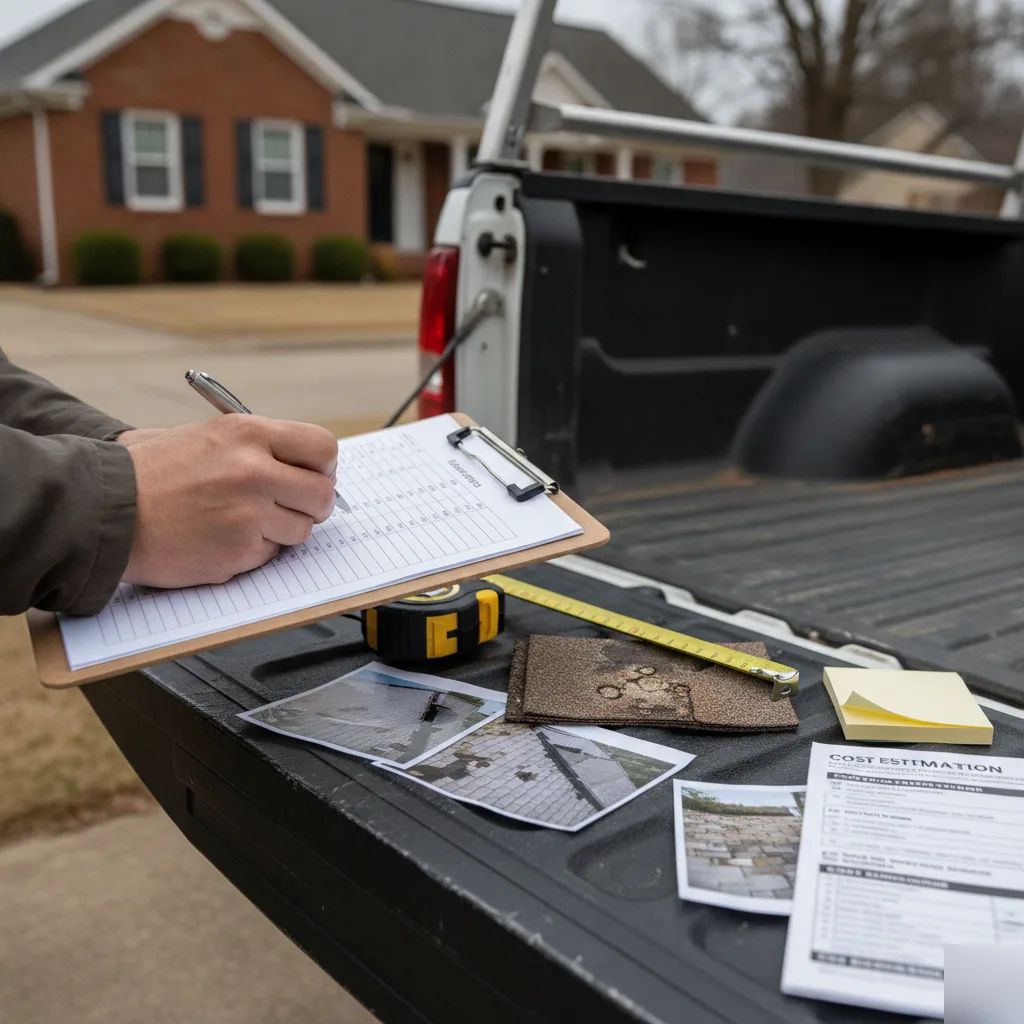
Contractor Documentation vs. Public Adjuster Negotiation: Know the Difference
Here's where a lot of homeowners get confused. A contractor and a public adjuster do two very different jobs, and mixing them up costs people money.
Our job is documentation. We climb up, take photos, measure the damage, and write up what it'll take to fix your roof the right way — matched to code and matched to what's up there, not what the insurance company assumes is up there. That report becomes the backbone of your claim. Without solid documentation, an adjuster from the insurance company can lowball the scope, missing flashing damage, missing soft decking, missing the fact that your shingles no longer match because the product's discontinued.
A public adjuster is different. They're licensed to negotiate the dollar amount of your settlement, and they typically work for a cut of the payout. We don't do that. We're not licensed to negotiate your claim value, and we won't pretend to be.
So who do you need? For most storm damage claims in Leesburg, a detailed contractor inspection report paired with your own conversation with your adjuster gets the job done. Some older homes near the historic downtown area have roof lines and materials that insurance adjusters aren't always familiar with. That's exactly where a written scope from someone who's up on the roof matters most.
If your claim gets denied outright, or the insurance company's offer doesn't come close to covering the real damage, that's when a public adjuster or an attorney might make sense. We'll tell you straight if we think you're in that spot.
Think of it this way: we build the case, you or an adjuster argues the number.
When a Roof Claim Isn't Worth Filing
Not every roof problem belongs to your insurance company. This is the part nobody likes to hear, but it's the honest answer, and honest answers keep you out of trouble down the road.
Age is the big one. If your shingles are curling, cracking, or losing granules just because they're twenty years old, that's wear and tear. Insurance doesn't cover wear and tear. Full stop. We walk on roofs all the time where the damage pattern is obvious age, not a storm event, and filing a claim on that roof usually gets denied. Worse, a denied claim still shows up in your claims history, and that can affect your premiums or renewal down the line even when the insurer paid nothing.
Small cosmetic issues fall in the same bucket. A few displaced granules or minor scuffing from a hailstorm that didn't crack or bruise the shingle mat isn't damage an adjuster will approve. We've had folks convinced their roof took a beating, and when we get up there it's cosmetic only — no functional loss at all.
Then there's the deductible math. If the repair cost sits close to or under your deductible, filing doesn't gain you anything. You'd pay the deductible anyway and still take the claim history hit. Sometimes the smarter move is just paying for the repair out of pocket.
So how do you know which side you're on? That's exactly what a roof inspection settles before you ever call your agent. We'll tell you straight if it's a repair you should just pay for, or a legitimate claim worth pursuing. No point sending you down a path that costs you more than it saves.
Ready to Get Started?
We offer free estimates on every project. No vague ballparks, no fine print. You get the price, the scope, and the timeline before anything starts.
Call (703) 956-8610What to Expect When the Insurance Adjuster Inspects Your Roof
The adjuster works for the insurance company, not for you. That's not an insult, it's just how the job is set up. We walk the roof with the adjuster whenever we can, because two sets of eyes catch more than one.
The inspection itself usually takes twenty to forty minutes. The adjuster will check your shingles for hail bruising, look at flashing around chimneys and vents, and photograph any soft spots or granule loss.
They'll measure slopes and note the roof's age, and ask when you first noticed the damage, so have your notes ready before they show up.
What should you have ready for that visit?
- Photos you took right after the storm, dated if possible
- Any receipts from temporary repairs, like a tarp job
- A copy of your policy's roof coverage section
- Access to the attic, in case they want to check for leaks from inside
We've walked a lot of roofs in Leesburg where the adjuster spotted damage on the north slope but missed the same wear on the south side, simply because they were rushing. If we're standing there pointing at the specific shingle, it gets written into the estimate instead of getting glossed over.
Some older homes near Old Town Leesburg still have original roofing from decades back, so an adjuster might try to write the damage off as "wear and tear" instead of storm damage. That distinction changes everything about what your claim pays out. If we think that's happening, we'll say so, right there on the roof, not after the fact in an email nobody reads.