What a Professional Roof Inspection Covers
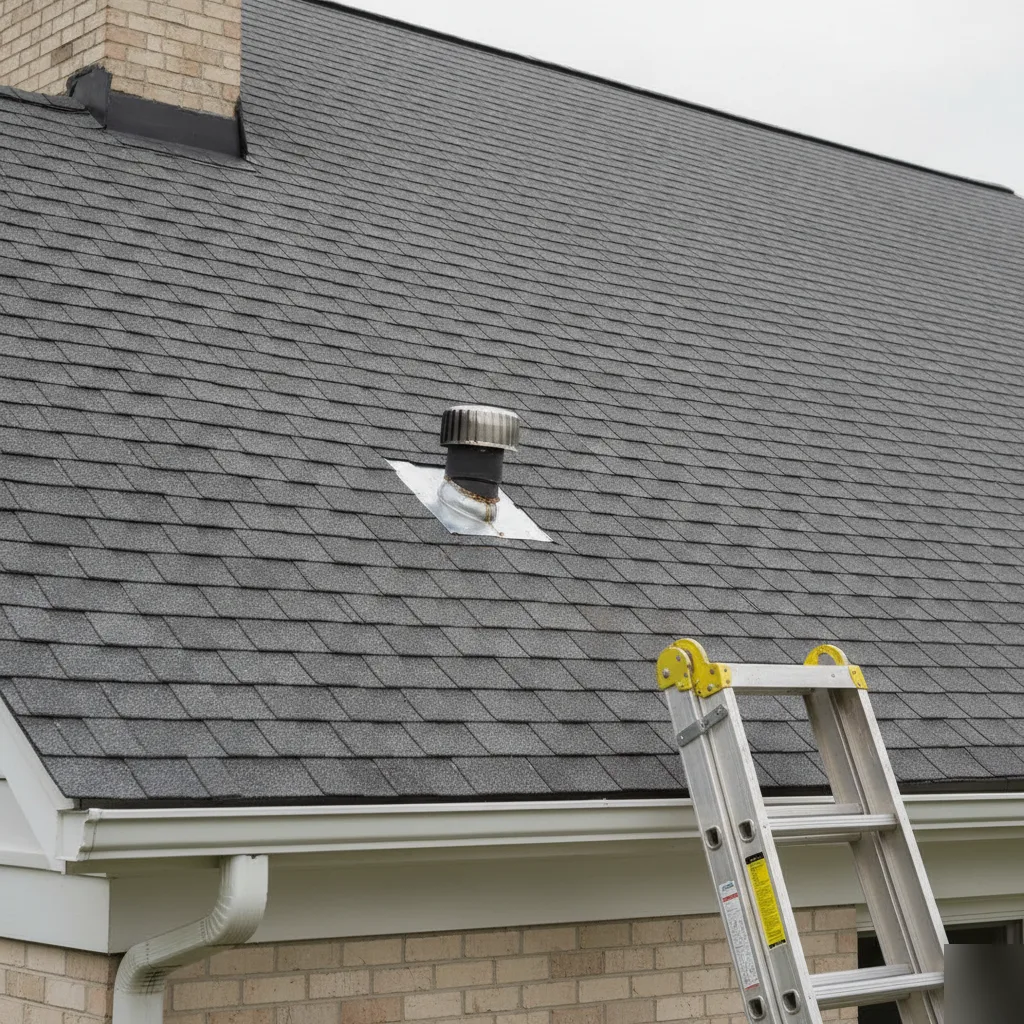
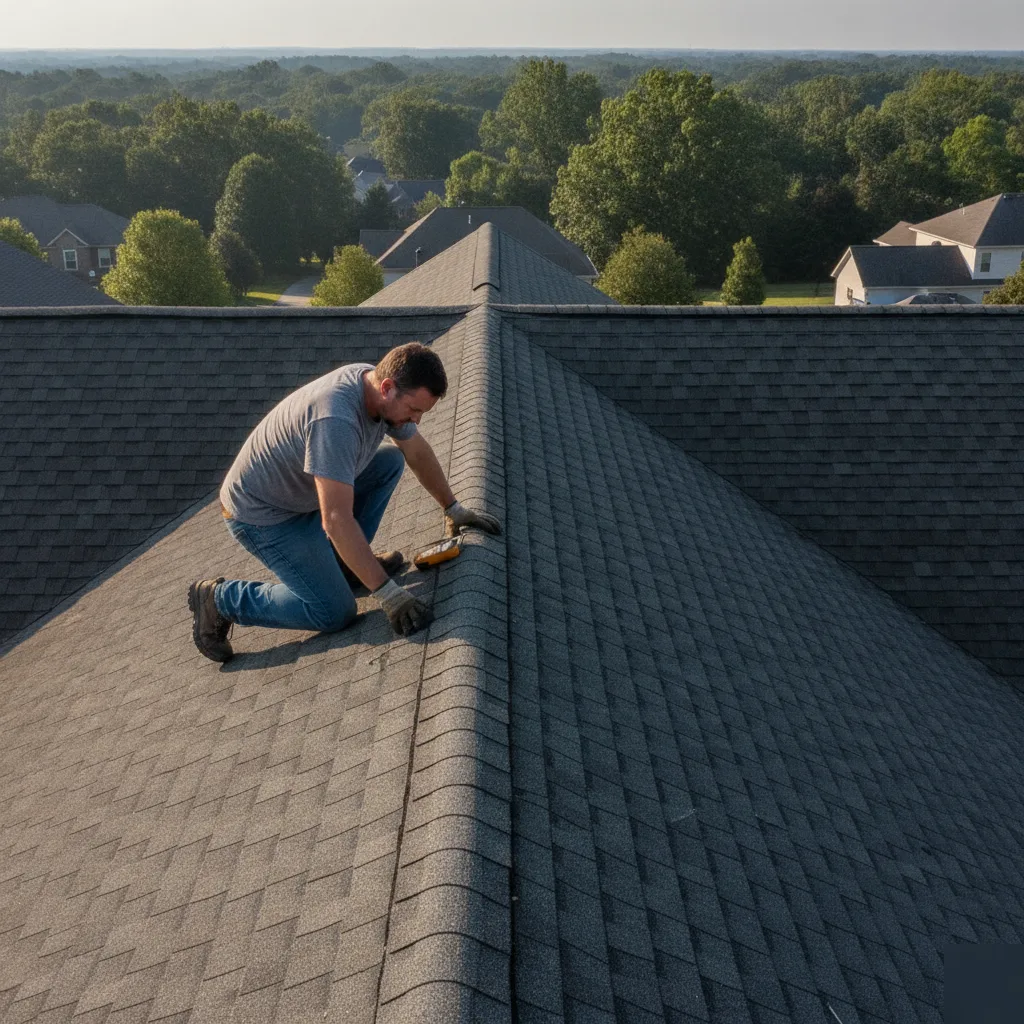
A real roof inspection isn't a guy standing in your driveway squinting up at the shingles. We get up there and walk the whole thing, corner to corner, looking for problems you can't see from the ground.
Here's what we're checking:
- Shingle condition. Curling, cracking, missing granules, bald spots where the sun's baked the asphalt for years.
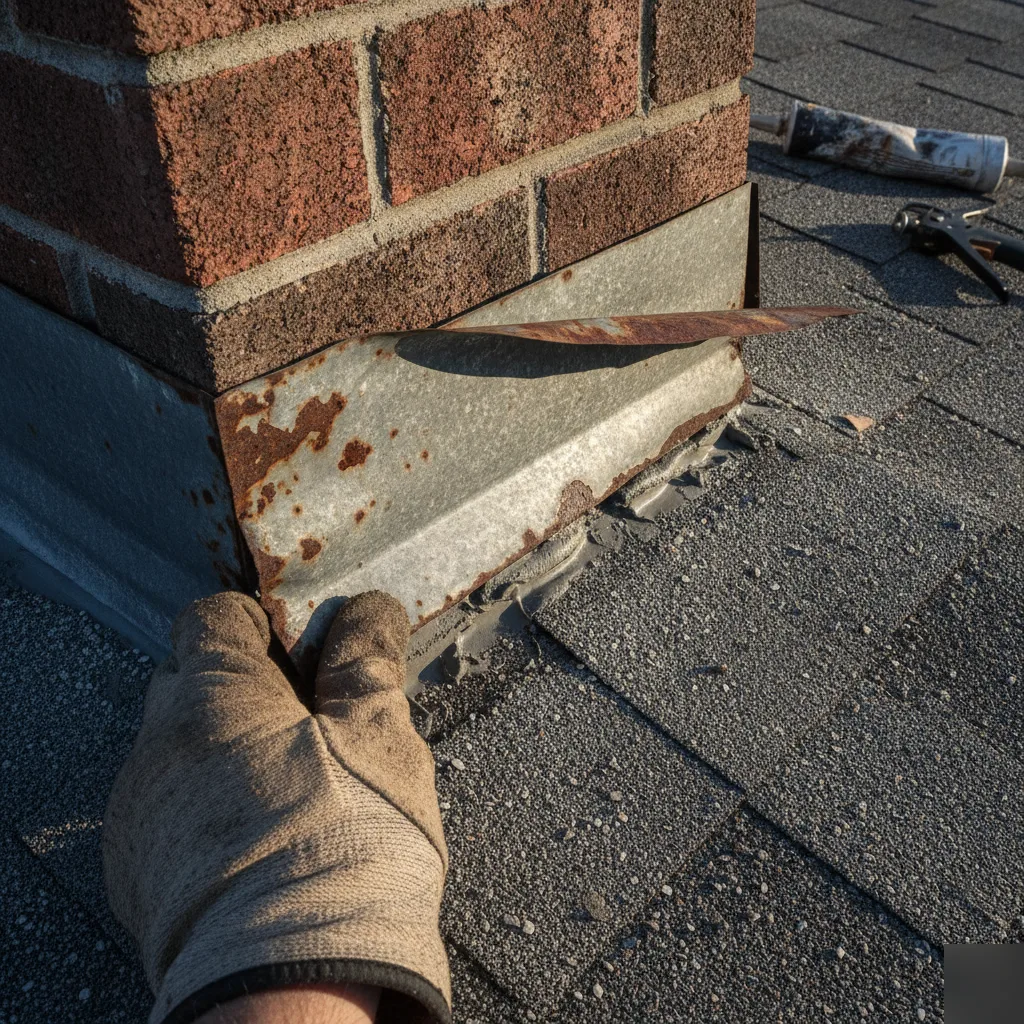
- Flashing around chimneys, skylights, and any roof-to-wall junctions. This is where leaks start.
- Gutters and downspouts. Are they pulling away from the fascia? Full of shingle grit that shouldn't be there?
- Attic side. Sheathing for water stains, insulation for moisture, ventilation for airflow that's working.
- Soft spots in the decking you can feel through your boots but never see from the street.
Leesburg's older housing stock, especially the homes built before newer energy codes came in, tend to have ventilation setups that just weren't built for how hot our attics get in July. We check that every time. We check valleys and low-slope sections too, because that's where water sits after a storm and works its way in slowly, over months, until you've got a stain on your ceiling and no idea why.
You'll get a straight answer on what we found. Not a scare tactic, not a sales pitch dressed up as a report — just what's there, what's aging normally, and what needs attention before it turns into a bigger job. Some roofs we climb up on look better at fifteen years than others look at five. Materials, install quality, sun exposure, all of it plays a part. We tell you where yours stands.
Signs You Should Book a Roof Inspection Now
Most folks don't think about their roof until something drips onto the ceiling. That's usually too late. Here's the thing though — a roof gives you warning signs long before it fails. You just have to know what to look for.
So when should you pick up the phone? Look for these:
- Shingles that look curled at the edges or are missing entirely after a windy week
- Granules piling up in your gutters, looking like coarse black sand
- Dark streaks or a soft, spongy feel when you walk near the attic hatch
- Daylight coming through the attic boards where it shouldn't
- A roof that's fifteen-plus years old and has never had a real look-over
Homes near Historic Leesburg often sit under mature oak canopies, and that debris settles into valleys and around flashing where you can't see it from the ground. We check those spots first because that's where the slow leaks start.
Storm damage is another big one. After a hard summer thunderstorm rolls through Loudoun County, we get calls from people who noticed a few shingles in the yard and figured it was nothing. Sometimes it is nothing. But sometimes wind lifted a whole section just enough to break the seal, and you won't see that from the driveway.
Selling your house? Buyers and their inspectors will find roof issues either way, so it's smarter to know first. If your ceiling has a new stain that wasn't there last month, don't wait on that one — water doesn't pause for a convenient weekend.
When You Can Skip a Professional Inspection
Not every roof needs us out there. Let's be honest about that.
If your roof went up in the last two or three years and you haven't had a storm roll through Leesburg with hail or heavy wind, you probably don't need a roof inspection yet. New asphalt shingle roofing holds up fine on its own for a while. Same goes for a metal roof installed recently — those are built to shrug off a lot before they show trouble. If nothing's leaking, no shingles are missing, and you're not seeing water stains on your ceiling, you can wait.
Here's another one. If you just want a quick visual check before listing your house for sale, you might get away with standing in the yard and looking at the roofline with binoculars. You're checking for obvious sagging, missing shingles, or a chimney that looks off. That's not the same as a real inspection, but it can tell you if there's an urgent problem or not. And if you had a roof inspection done within the last year and nothing's changed since — no new storms, no new leaks — you don't need another one right now. We see homeowners call every spring out of habit, which is fine, but it's not always necessary.
One more thing worth saying plainly: a roof inspection won't fix anything. It just tells you what's going on. If you already know you have a leak and you're just trying to decide between roof repair or a full roof replacement, you don't need a diagnostic step first. You need someone out there measuring the damage and giving you real options. If none of that sounds like your situation, that's usually when it's worth having someone take a real look.
Ready to Get Started?
We offer free estimates on every project. No vague ballparks, no fine print. You get the price, the scope, and the timeline before anything starts.
Call (703) 956-8610Roof Inspection Needs Vary Across Leesburg
Not every roof in this town needs the same look. Older homes near the historic downtown area often still have original roof decking under a few layers of shingles, and that changes what we check first. Newer subdivisions out toward the edges of Leesburg tend to have builder-grade asphalt shingles installed within the last fifteen or twenty years. Those age differently under Loudoun County's mix of summer heat and winter freeze-thaw cycles.
So the inspection isn't one-size-fits-all. A roof on a colonial-style house with steep pitches needs a different walk-through than a low-slope addition or a garage conversion roofline. We look at flashing around chimneys on older homes more closely, since that's usually where the original work starts to fail first. Metal roofing shows up more on newer builds and additions, and it has its own wear patterns, mostly around seams and fasteners.
Storm exposure matters too. Roofs that took a beating from hail or heavy wind in past seasons often hide damage that's not visible from the ground. Sometimes a homeowner calls us after noticing a stain on a ceiling, not because they saw anything wrong outside.
Age of the roof, pitch, material, and what's happened weather-wise all factor into what we're looking for once we're up there. A twelve-year-old asphalt shingle roof gets checked differently than a brand new one still under manufacturer coverage. We adjust the inspection based on what the house has been through, not just what it looks like from the driveway.
How Roof Inspection Pricing and Scope Work
Roof inspection pricing isn't one-size-fits-all, and it shouldn't be. The scope of the job changes based on what's up there. A simple ranch roof with one layer of asphalt shingle takes a lot less time than a steep, multi-level roof with valleys, skylights, and old flashing around chimneys.
The International Association of Certified Home Inspectors has an excellent guide to everything that happens during a roof inspection [1].
Most roofers in this trade base cost on three things: roof size, roof pitch, and access. A flat, walkable roof is quick to check from top to bottom. A steep pitch means more time, more care, and sometimes different equipment just to move around safely. Leesburg has a mix of both. Older homes near the historic downtown often have steeper rooflines than newer construction out toward the edges of town, and that steepness alone can add real time to the job.
Here's what usually drives the scope of an inspection up or down:
- Roof size and number of levels or sections
- Pitch and how safely a person can walk it
- Number of penetrations, like chimneys, vents, and skylights
- Age of the roofing material and how it's holding up
- Whether it's a routine check or a storm-damage look