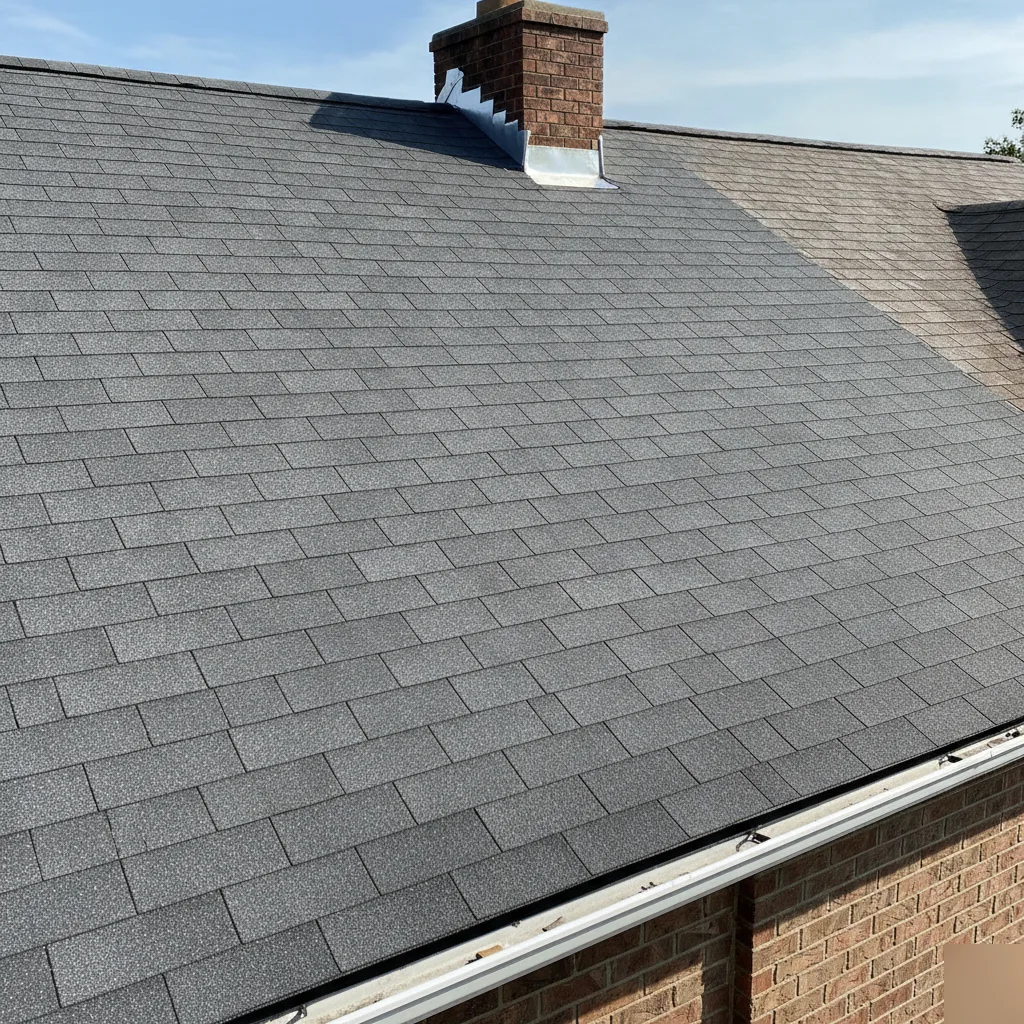
Signs Your Roof Is Telling You Something
Your roof doesn't wait for a full-blown leak to tell you something's wrong. It talks to you way before that, usually in small ways homeowners brush off. A few missing shingles after a windstorm. A dark streak on the ceiling that wasn't there last month. We see this every week — folks assume it's fine because water isn't dripping into the living room yet.
Here's what we tell every homeowner to watch for:
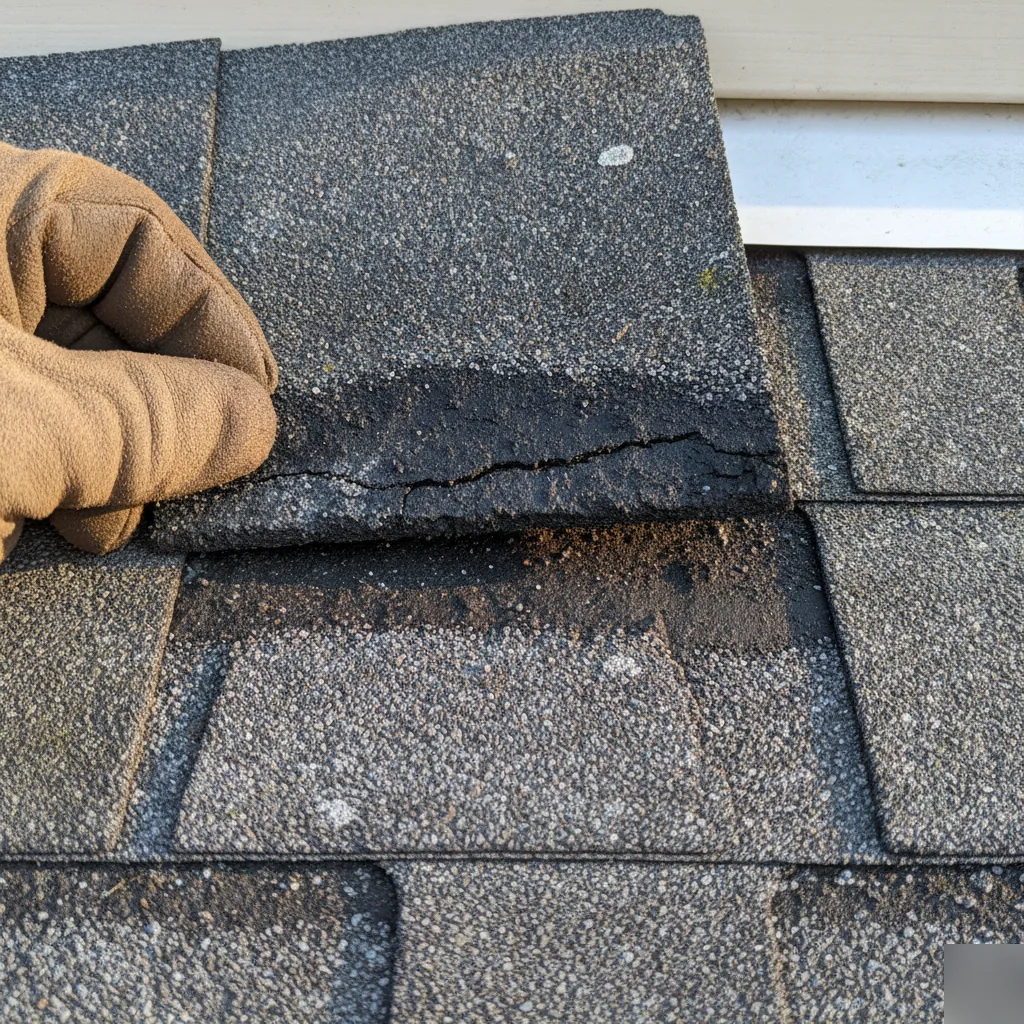
- Shingles that are curling up at the edges or missing granules, leaving bare dark patches
- Soft spots on the roof deck when you walk it, or sagging along the ridge line
- Water stains on ceilings or upper walls, even small ones
- Daylight showing through the attic boards
- Granules piling up in the gutters after a hard rain
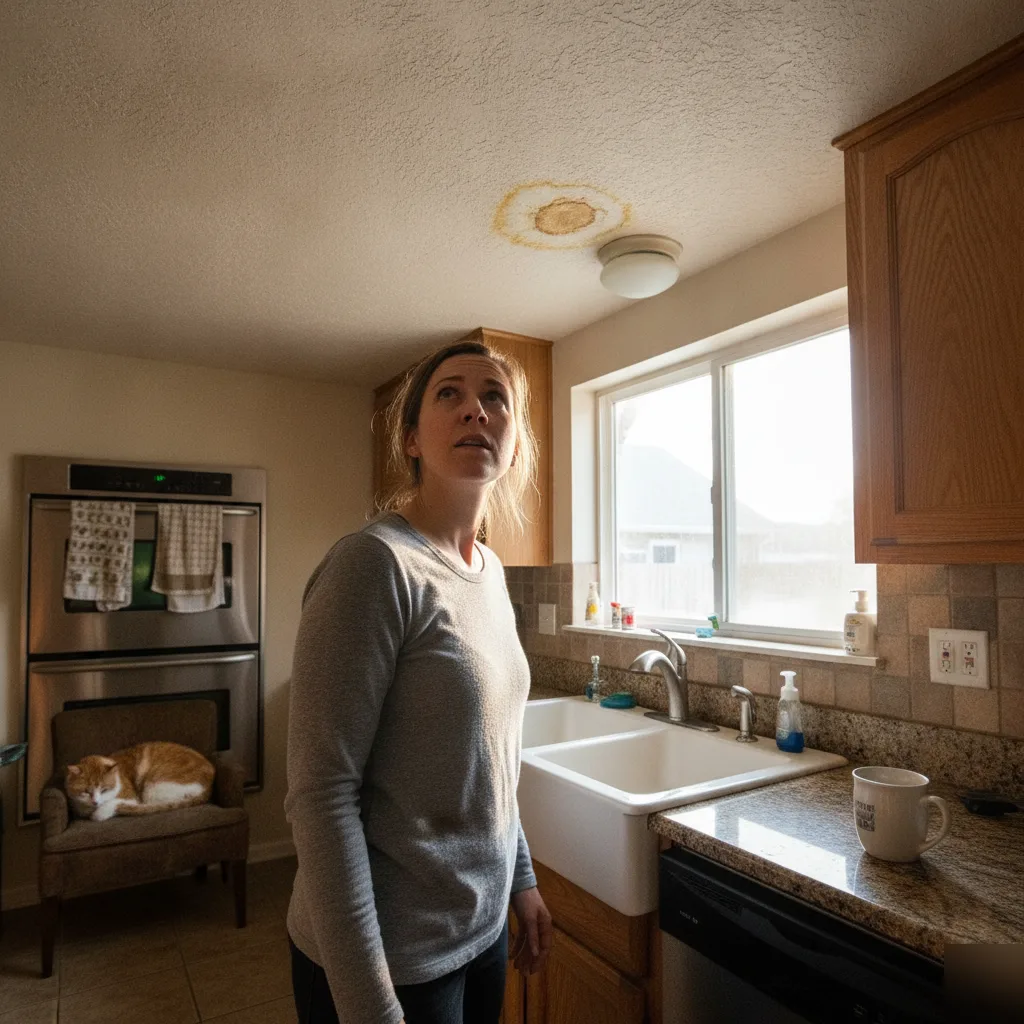
Homes in Leesburg's Historic District tend to show these signs earlier because a lot of that roofing is original to houses built decades ago, long before today's shingle materials. Newer subdivisions aren't off the hook either. Asphalt shingles wear from the sun and weather no matter the age of the house around them.
Explore services for the exterior of your home.
When a Repair Beats a Full Replacement
Not every roof problem means you need a whole new roof. Most of the calls we get turn into roof repair jobs, not full roof replacement. A missing shingle after a windstorm, a cracked piece of flashing around a chimney, a leak that shows up only during heavy rain — these are repair situations. One weak spot, not a whole system failing.
So how do you know which one you're dealing with? Age matters a lot here. If your asphalt shingle roof is under 15 years old and the damage is limited to one section, repair almost always makes sense. Older homes near downtown Leesburg with roofs original to the house, some pushing 20-plus years, tell a different story. At that point one repair often just delays the next one by a year or two.
Look at the spread of the damage, too. A single leak near a vent pipe? Repair it. Shingles curling and losing granules across the whole slope, with soft spots when you walk the attic floor? That's not a patch job anymore. That's a roof telling you it's done.
Storm damage changes the math. A hailstorm that dents ridge caps in one spot but leaves the rest of the roof intact still points to repair. Wide wind damage that lifts shingles across multiple sections, or water stains showing up in more than one room of the ceiling, usually means replacement is the smarter move financially. Paying for repair after repair on a roof that's already failing costs more over time than just doing the replacement once.
Here's the honest answer. If we come out and the damage is contained, we'll tell you it's a repair. We don't push a full roof replacement on someone who doesn't need one — that's not how we want to run this business.
How Roofing Estimates Work in Leesburg
Here's the truth nobody tells you upfront: two roofs that look identical from the street can cost completely different amounts to fix. A good estimate walks your actual roof, not a photo of it.
When we come out to look at your roof, we're measuring square footage, checking the pitch, and counting how many layers of old shingles are already up there. Steeper roofs take longer and need more safety gear. A roof with two or three layers of old shingles means more tear-off work before anything new goes on. Older homes near Old Town Leesburg often have steeper, more complex roof lines than newer construction out toward the edges of town. That changes labor time.
Material choice matters too. Asphalt shingles, metal roofing, flashing repairs, skylight work — each one has its own cost drivers, and a fair estimate breaks those out instead of giving you one vague number.
So what should you ask before you hire anyone for a roof estimate? A few things:
- Does the estimate include tear-off and disposal, or just the new materials?
- Are flashing and skylight work priced separately or bundled in?
- Will they put the scope of work in writing before starting?
- Are they pulling the permit, or is that on you?
We don't do vague things. You'll get a real walk-through, real measurements, and a written scope before we touch a shingle. No hazy details, no surprise add-ons halfway through the job. If a contractor won't get on your roof before quoting a number, that's worth a second thought.
What Happens During a Roof Replacement
Most homeowners in Leesburg have never watched a full roof replacement start to finish. Let's walk through it — knowing what's coming makes the whole thing a lot less stressful.
Here's the general order our team follows on a residential roofing job:
- Tear-off. We strip the old shingles down to the deck. Some older Leesburg homes near the historic district have a layer or two of shingles stacked on top of each other from past jobs, and that adds time and debris.
- Deck inspection. Once it's bare, we check the plywood or OSB underneath for soft spots, rot, or water staining. This is the step that decides if there's a surprise.
- Repairs. Any bad decking gets replaced before anything new goes down. Skipping this is how roofs fail early.
- Underlayment and flashing. We install a water-resistant barrier, then new flashing around chimneys, valleys, and skylights.
- New roofing material goes on. Whether it's asphalt shingle or metal roofing, this is the step that protects your home for the next couple decades.
- Cleanup and haul-away. Nails, old shingles, debris, all of it leaves your property.
- Final walk-through. We check ridge lines, flashing, and gutters before we call it done.
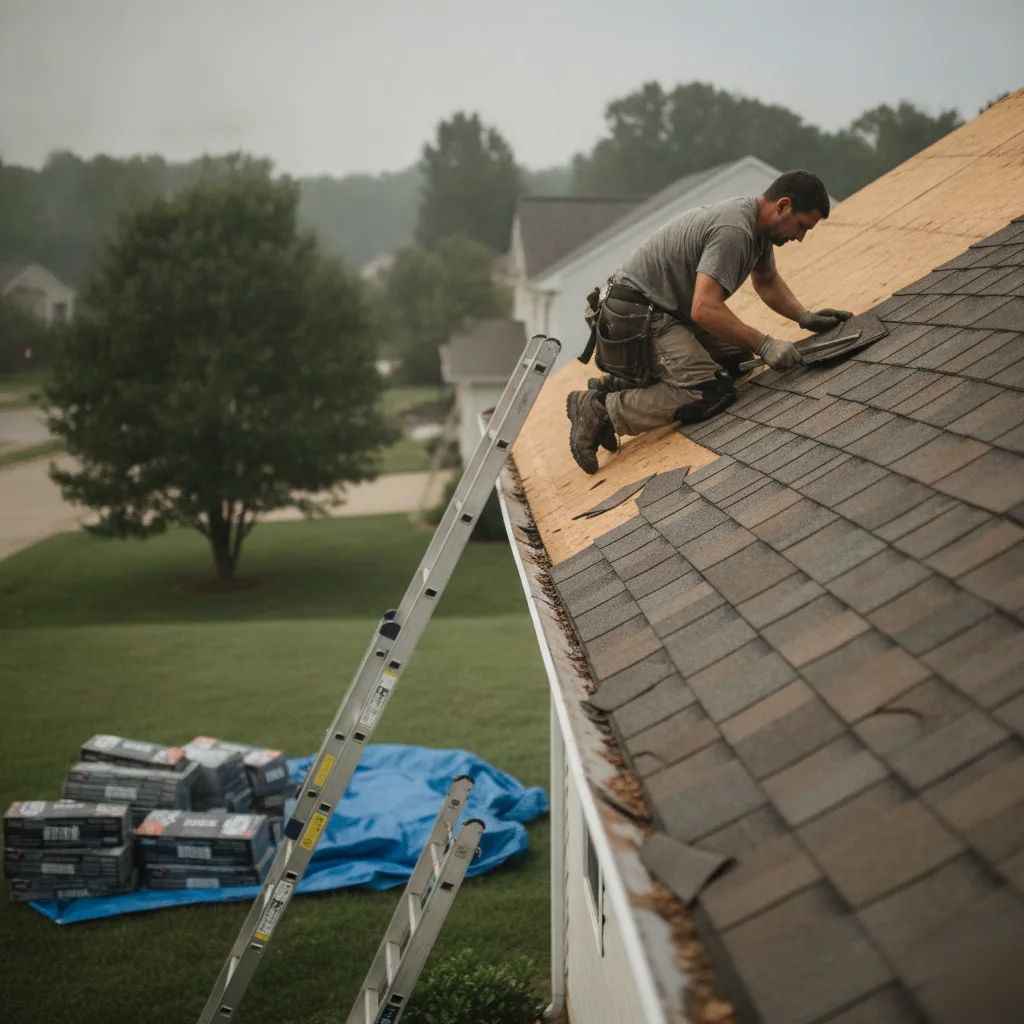
Usually, the deck inspection is where the job either stays on schedule or slows down a bit. If we find rot around a chimney or a soft spot near a valley, we stop and show you before moving forward. Nobody likes surprises, but a hidden problem is worse left covered up than found and fixed.
Weather plays into this too. Leesburg gets its share of summer storms, and a job that hits a rain delay just means we tarp everything and pick back up. Safety and doing it right matter more than rushing.
According to experts at GAF, a full residential roofing replacement on an average home typically wraps in one to a few days, depending on size, pitch, and what we find underneath.[1]
Residential Roofing in Leesburg.
Questions to Ask Before You Hire a Roofer
Before you sign anything, ask a few pointed questions. It tells you fast if you're dealing with someone who does this every day or someone who's guessing. Here's what we tell friends and family to ask any roofer who shows up with a clipboard.
- Are you pulling a permit for this job, and who's responsible for the inspection?
- What happens if you get under the shingles and find rotten decking?
- How many layers are on my roof right now, and does that change the plan?
- What's your plan for protecting my siding, windows, and landscaping during tear-off?
- Who's on the crew, and are they employees or subcontractors?
That third question matters more than most homeowners realize. Once we pull the old shingles, we find at least a small section of soft decking underneath more often than not. A roofer who tells you "it'll definitely be fine under there" before ever looking hasn't been doing this long enough.
Ask about debris and cleanup too. A roof job throws nails, old flashing, and shingle scraps everywhere, so ask how they handle magnetic sweeps of the yard and driveway. Don't be shy about asking how they communicate during the project. Do you get a call if something unexpected turns up, or do you find out after the fact?
One more thing worth asking, plain and simple: what's included in writing versus what's a verbal promise. Get it on paper. A roofer who's confident in the work won't flinch at any of these questions — they'll walk you through the answers before you even finish asking.
Frequently Asked Questions
How do I know if I need a roof repair or a full replacement?
What happens when a roofer comes out to look at my roof?
Why do older homes near Leesburg's Historic District need different roofing work?
How long does a roof replacement take from start to finish?
What should I ask before hiring someone for a roof estimate?
Can storm damage mean I need a full roof replacement instead of a repair?
Sources
[1] GAF. How Long Does It Take to Replace a Roof? https://www.gaf.com/en-us/blog/your-home/how-long-does-it-take-to-replace-a-roof-e472fff6-e0f1-45d7-9976-55c4c670fedf