Signs Your Front Door Has Reached the End of Its Life
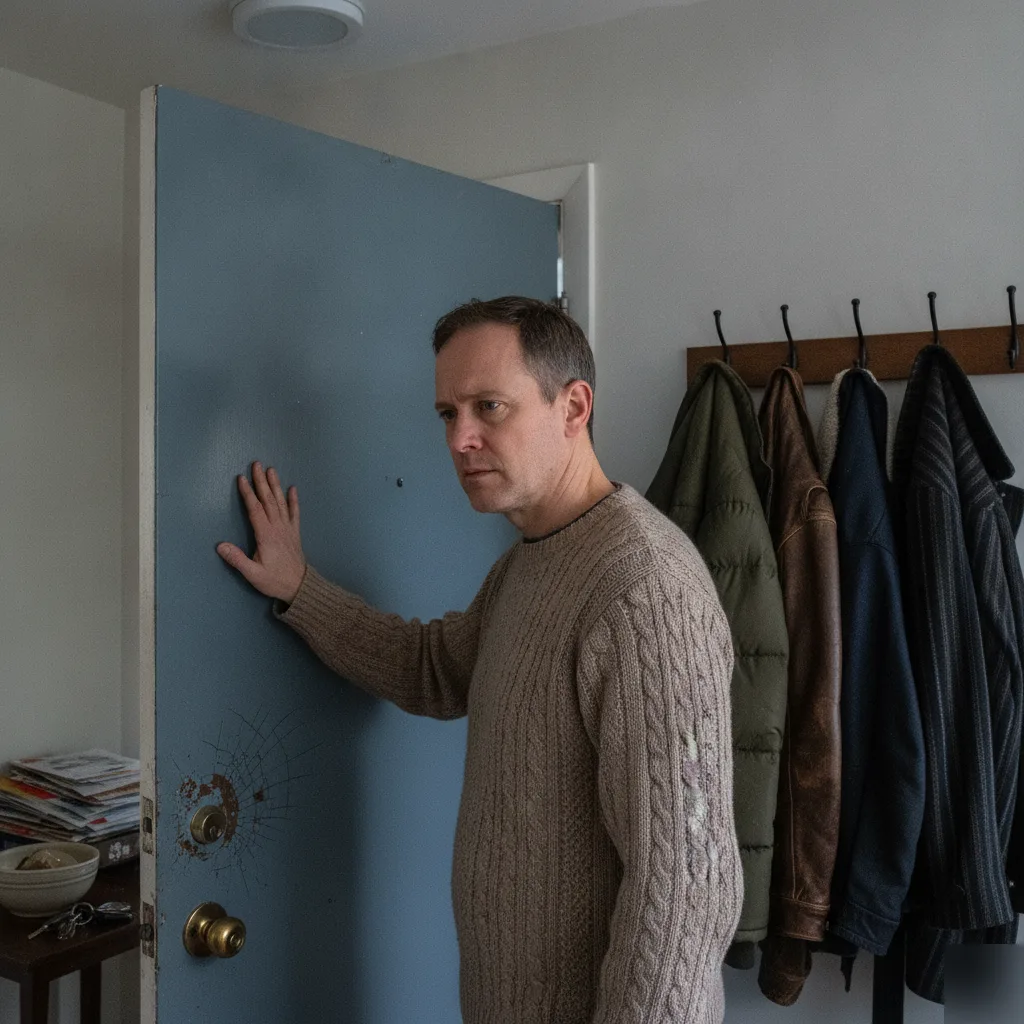
Most homeowners in Leesburg don't wake up thinking about their front door. Then one morning it takes three tries to close, or they feel a cold draft while standing in their own entryway, and suddenly it's all they can think about.
Here's what we see on jobs every week: the door itself looks fine from the outside. Paint's holding up, hardware looks okay. But the real problems are hiding in the gaps, the frame, and the way it moves.
Watch for these warning signs:
- Daylight visible around the edges when the door is shut
- The door sticks in summer and gaps in winter
- Soft or spongy wood anywhere on the frame or bottom rail
- A lock that's hard to turn or doesn't catch cleanly
- Visible warping when you look down the face of the door
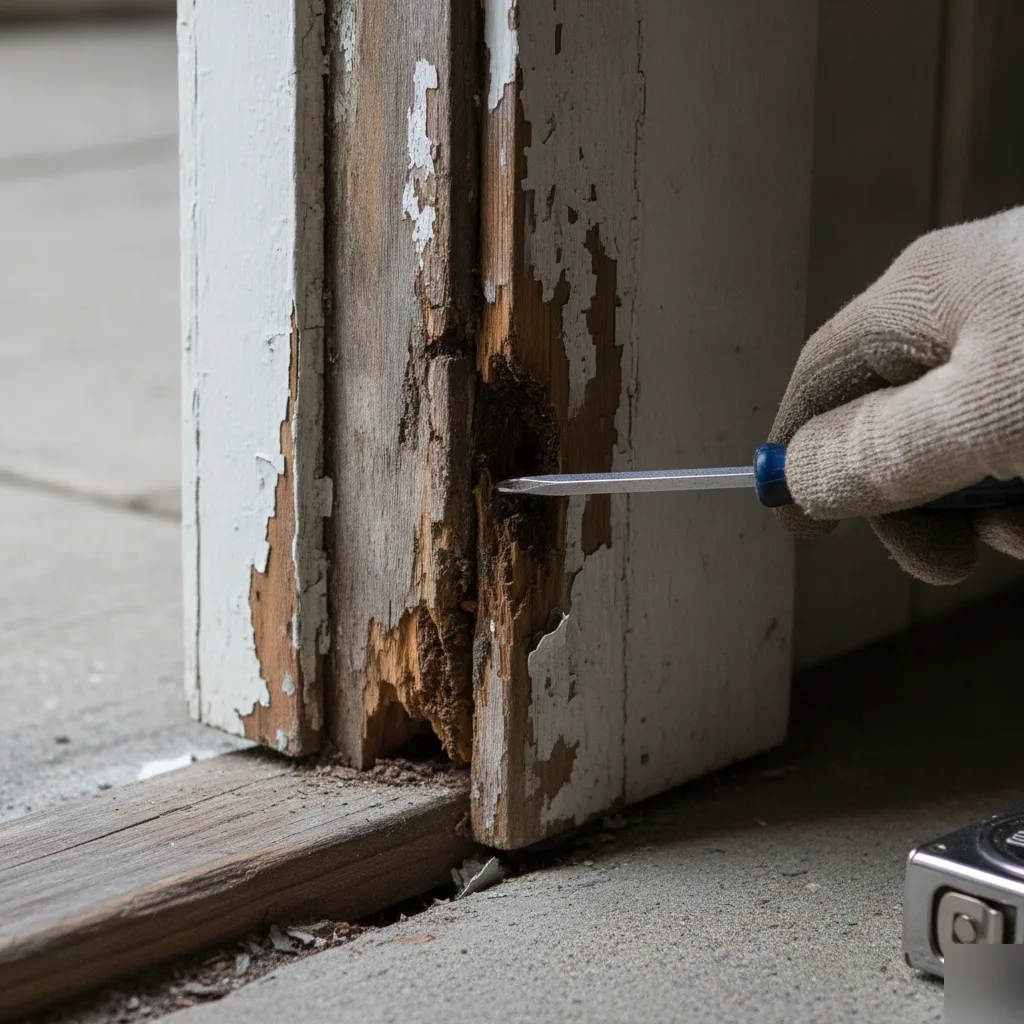
Rot is the big one, and it spreads faster than people expect. We've opened up frames in the Lansdowne area where the rot started at the threshold and worked six inches up into the jamb before the homeowner noticed anything. By then, it's not just a door job anymore.
Drafts are serious too. A door that doesn't seal properly is costing you money every month on your energy bill. It's also an invitation for moisture, pests, and noise.
Sometimes the door itself is fine and the frame is the problem. Sometimes it's the opposite. We look at both before we tell you what you actually need. That's just how we work.
Security matters just as much as comfort. An older door with a worn strike plate or a sagging hinge line isn't protecting your home the way it should. Front door replacement solves all of it at once, not just the symptom you called about.
If your door is doing more than one thing on that list, it's time to have someone take a real look at it.
Choosing the Right Door Material for Northern Virginia Winters
Material choice is where most people go wrong. They pick something that looks great in a showroom and then wonder why it's swelling, cracking, or leaking cold air by February.
Leesburg gets real winters, hard freezes, ice storms, and that wet cold that soaks into everything. Your front door takes all of it, every year. The material you choose matters more here than it would in a milder climate.
Here's what we actually see on job sites across Leesburg, and what holds up versus what doesn't:
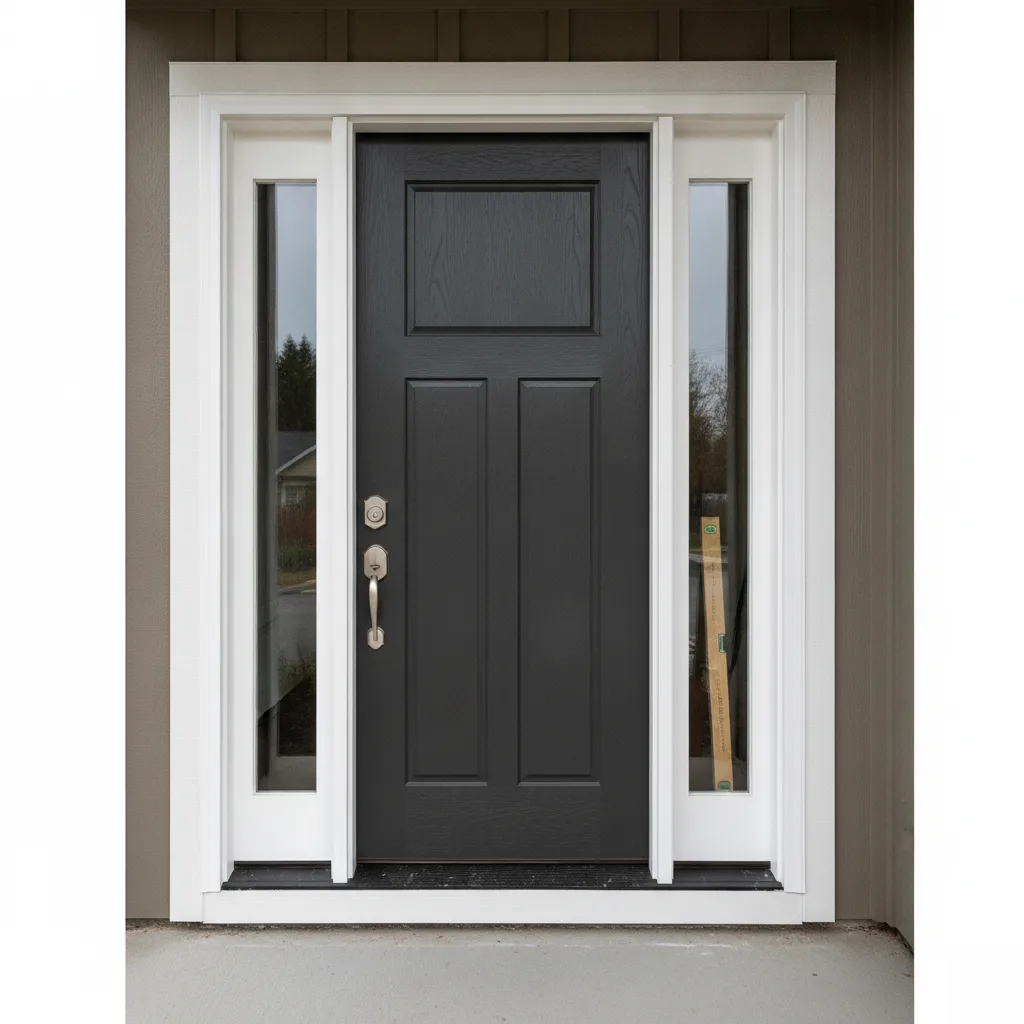
- Fiberglass: Our most-recommended option for this area. It doesn't warp, doesn't absorb moisture, and holds its shape through freeze-thaw cycles. Can be finished to look like wood without the headaches.
- Steel: Tough and secure, but it can dent and it conducts cold. If it's not properly insulated, you'll feel a draft even when the door is fully closed.
- Wood: Beautiful. We love how it looks. But in Northern Virginia's humidity swings, solid wood expands and contracts constantly. It needs regular maintenance or it'll give you problems within a few years.
- Composite: A solid middle ground. More stable than solid wood, better looking than basic steel. Works well in neighborhoods like Tuscarora where older homes need something that fits the aesthetic.
We see this every week, a homeowner who chose wood because it matched their trim, and now the door sticks every winter and gaps every summer. It's not a bad door. It's just the wrong door for this climate.
Beyond the material itself, look at the whole-unit U-factor. A door's energy performance is rated by its U-factor, and according to the U.S. Department of Energy, exterior doors should have a U-factor of 0.20 or lower for cold climates. Most fiberglass and insulated steel doors hit that. Most hollow-core options don't.[1]
Don't overlook the weatherstripping either. The best door in the world won't perform if the seal around it is worn or poorly fitted. We always check the full frame, not just the slab, before we recommend anything.
Pick for Leesburg's weather first. Style second. You can always find something that does both.
Professional home remodeling in Leesburg, VA.
Why Frame Condition Changes the Whole Scope of the Job
Here's something we see constantly in Leesburg: a homeowner calls about front door replacement, and what they picture is a straightforward swap. Old door out, new door in. Done by lunch.
Then we pull the trim back.
The frame is what holds everything. If it's rotted, warped, or water-damaged, a new door sitting in a bad frame is going to fail fast. It won't seal right, it won't lock smoothly, and within a season or two you're dealing with drafts and sticking all over again. The door itself isn't the problem anymore. The frame is.
What We're Actually Looking For
When our crew checks a frame, we're looking for specific things most people wouldn't notice just by looking at the door from the outside.
- Soft spots or spongy wood along the sill and side jambs
- Visible gaps between the frame and the rough opening behind it
- Paint that's bubbling or peeling from the inside out
- Daylight visible around the door edge even when it's fully closed
Any one of those tells us the frame needs attention before we do anything else. In older homes around neighborhoods like Balls Bluff or near the historic downtown corridor, we run into this more often than you'd think. Houses built decades ago used wood that's had a long time to absorb moisture from Virginia summers.
So what changes when the frame is compromised? The scope of the job expands. We're not just setting a new door unit, we're rebuilding the rough opening, replacing the jamb, making sure the sill is solid, and then hanging the door properly into a stable structure. That's the right way to do it.
When the frame is in good shape, front door replacement moves quickly. A solid opening means the new door goes in level, the weatherstripping seats correctly, and the whole thing performs the way it should from day one.
We always check the frame first. Every time. It's the only way to give you an honest picture of what the job actually involves before we start pulling anything apart.
Ready to Get Started?
We check the frame first, every time, so you know exactly what the job involves before anything gets pulled apart. Get your free estimate today.
Call (703) 956-8610What Happens on Installation Day, Step by Step
A lot of homeowners in Leesburg tell us they're nervous about installation day. They don't know what to expect, how long it'll take, or how much of their day gets disrupted. So let's just walk through it.
Our team shows up with your new door already measured and prepped. We don't guess on site. Everything's been accounted for before we pull into your driveway.
Here's how the day actually goes:
- We protect your floors and entryway before anything comes apart.
- The old door, frame, and any damaged trim get removed carefully.
- We inspect the rough opening for rot, water damage, or framing issues before the new unit goes in.
- The new door gets set, leveled, and shimmed until it's square.
- We seal around the frame, install new trim, and make sure the threshold sits flush.
- Hardware gets installed and adjusted so the door opens, closes, and locks the way it should.
- We clean up and walk you through everything before we leave.
That inspection step in the middle matters more than most people realize. We see it constantly out here, in neighborhoods like Lansdowne on the Potomac, older homes especially. You pull the old door out and there's soft wood behind it. Moisture got in years ago and nobody knew. We catch that before we close it back up.
Most front door replacement jobs wrap up in three to five hours. Bigger or more complex openings take longer, but we're not leaving until the door works right.
We don't just hand you a key and walk off. We test the deadbolt. We check the weatherstripping seal. We open and close that door a dozen times to make sure there's no binding, no gaps, no draft.
You should feel the difference the same day. A tight seal, smooth operation, no wobble. That's the standard.
Our licensed installers have done this across Leesburg for years, and the process doesn't change job to job. Consistent work, every time.
Front door remodeling in Leesburg.
Historic District and Permit Rules Leesburg Homeowners Should Know
Leesburg has a real historic core, and if your home sits inside the Historic District, front door replacement works a little differently than it does everywhere else.
We see this come up constantly with homeowners near King Street and the downtown corridor. They pick out a door they love, order it, and then find out they needed approval before anything got installed. That's a frustrating situation, and it's completely avoidable.
Here's what typically applies in Leesburg's Historic District:
- Door style and material often need to match the original character of the home
- Fiberglass and steel doors may require specific profiles or finishes to get approved
- Color changes on exterior doors sometimes need sign-off from the Board of Architectural Review
- Decorative glass, sidelights, and transoms may be reviewed as part of the overall door assembly
The Town of Leesburg's Board of Architectural Review handles these approvals. Most straightforward replacements move through the process without much trouble. But you need to submit before you start, not after.[2]
Outside the Historic District, a standard building permit is usually required for front door replacement. It's not complicated. But skipping it can cause real headaches when you go to sell the home.
We handle permitting as part of the project. Our team knows what Leesburg requires, and we pull the paperwork before we ever touch your existing door frame.
The permit process protects you. It means the installation gets inspected and documented. That matters.
If you're not sure whether your address falls inside the Historic District boundary, the Town of Leesburg's zoning office can tell you in about five minutes. We can also help you figure that out when we come out for a look.
Don't let the permit question stop you from moving forward. It's manageable, we do this regularly in Leesburg, and we'll walk you through every step.