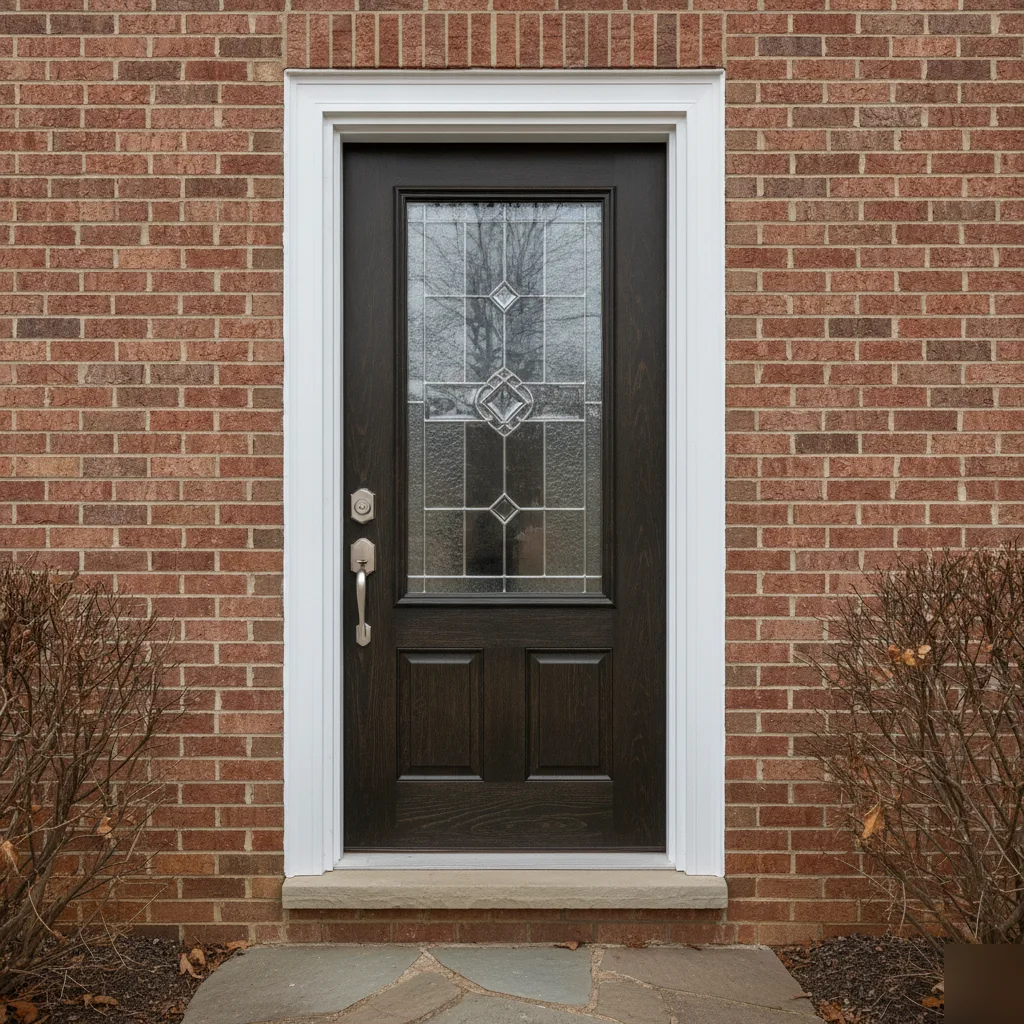
Signs Your Entry Door Has Reached the End of Its Life
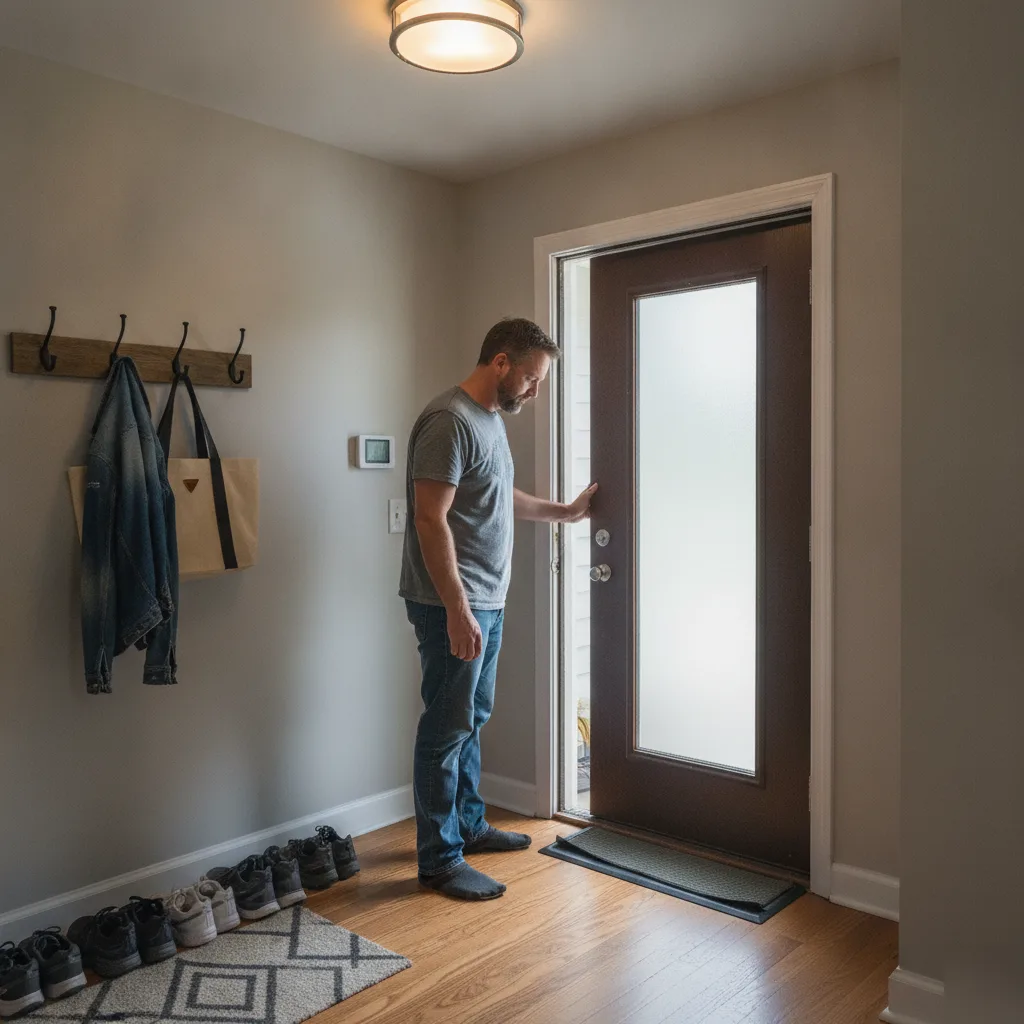
Most homeowners in Leesburg don't wake up one day and decide to replace their entry door. Something pushes them to it: A draft they can't fix. A lock that sticks every morning. A door that's swollen so bad it takes a shoulder to open it.
We see this every week. And the homeowner waited way longer than they should have.
Here's what to look for:
- Visible gaps between the door frame and the door itself, especially along the sides or bottom
- Drafts you can feel with your hand, even when the door is fully closed and locked
- Warping or bowing in the door panel that's gotten worse over time
- Rot or soft spots around the frame, especially at the bottom corners where moisture collects
- Condensation or fogging between glass panels on doors with built-in windows
Any one of those is worth a conversation. More than two, and you're probably past the repair stage.
The damage you can't always see is the real problem. A door that doesn't seal right is costing you money every month on heating and cooling. According to the U.S. Department of Energy, doors and windows can account for 25 to 30 percent of a home's heating and cooling energy use.[1] That's not a small number.
In neighborhoods like Lansdowne on the Potomac, we work on homes with original doors that have taken years of Virginia humidity and temperature swings. Wood swells. Seals fail. Frames shift. It's not a question of if, it's when.
There's also the security side. A door that doesn't latch cleanly, or a frame that's soft from rot, isn't keeping anyone out. That's not a scare tactic. That's just what a compromised door means for your home.
Not sure if your door needs replacement or just some work? That's a common question. Give us a call and we'll come take a look, no pressure.
Most doors give you plenty of warning. You just have to know what you're looking at.
Best home remodeling in Virginia.
Pre-Hung vs. Slab: Choosing the Right Replacement for Older Homes
This is one of the first questions we ask every homeowner in Leesburg before we pull a single measurement.
A slab door is just the door itself. No frame, no hinges, no hardware. You're reusing whatever's already in the opening. A pre-hung door comes with everything attached: the door, the frame, the hinges, sometimes even the threshold. Two very different jobs, and picking the wrong one costs you time and money fast.
So how do you know which one you need? It comes down to what's already there.
If your existing frame is square, solid, and in good shape, a slab door might work. But here's what we see constantly in older Leesburg homes, especially along the older streets near downtown: the frames aren't square. They've shifted. The house has settled over decades, and that original rough opening has moved with it. Trying to hang a slab in a frame that's racked or rotted means gaps, drafts, and a door that won't latch right.
Pre-hung doors fix that. When we install a pre-hung unit, we're setting the whole assembly into the rough opening fresh. We can shim it level and plumb regardless of what the old frame looked like. That's why, on homes built before the 1980s, we recommend pre-hung.
Here's what we look at before making that call:
- Frame condition: soft spots, rot, or visible warping
- Whether the opening is still plumb and square
- The age of the existing threshold and weatherstripping
- Any signs of water damage around the door sill
Slab installs make more sense on interior doors or on newer construction where the frame is still in great shape. For most entry door installation work we do on older Leesburg homes, pre-hung is the right move. It's more work upfront, but the result holds up for years without the headaches.
And if we find rot in the rough opening once we open things up, we handle that too before the new door goes in.
Ready to Get Started?
Not sure if you need pre-hung or slab? We'll check your frame and give you a straight answer before you order anything. Get your free estimate today.
Call (703) 956-8610What to Expect on Entry Door Installation Day in Leesburg
Installation day is straightforward. But knowing what's coming makes it a lot less stressful.
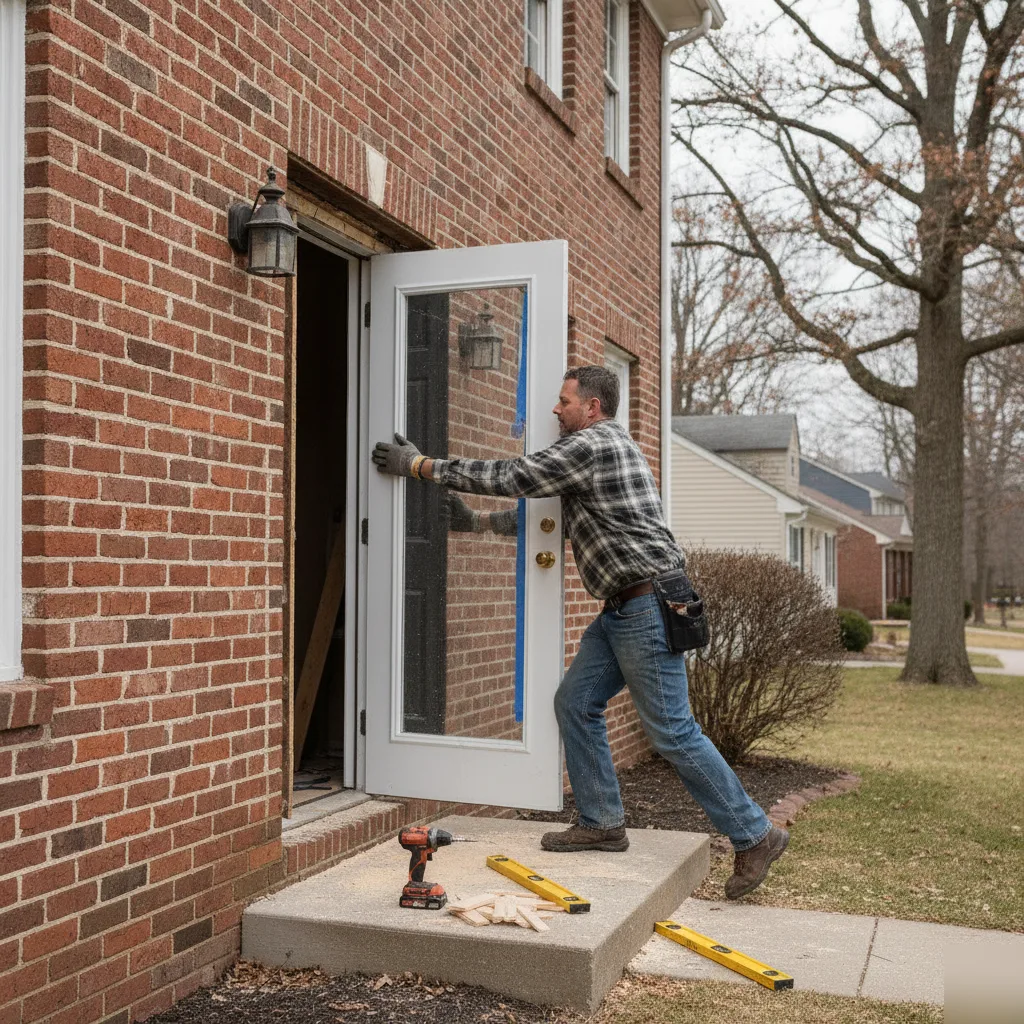
We show up on time. Our crew does a quick walkthrough with you, confirms the door placement, and checks the rough opening before anything gets touched. That first ten minutes matters more than most people realize. A bad measurement caught early saves hours of work.
Here's how the day typically runs:
- We remove your old door and set it aside for disposal.
- The opening gets inspected for rot, water damage, or framing issues.
- We level and square the new frame before the door ever goes in.
- The door unit gets set, shimmed, and secured to the framing.
- Weatherstripping, threshold, and hardware all get installed and adjusted.
- We test the swing, the latch, and the lock multiple times before we pack up.
Most entry door installation jobs in Leesburg take three to five hours. Older homes sometimes have surprises behind the trim: soft wood, old caulk, or a frame that's shifted over decades. We deal with those on the spot, we don't leave you hanging.
You'll want to clear a path from your driveway to the front door and move any furniture or rugs near the entry. That's really all the prep you need to do on your end.
And yes, your home will be open to the outside for part of the day. We work fast and don't leave the opening exposed any longer than necessary. In summer heat or a cold Leesburg January, that matters.
We've been doing this long enough to know that customers notice two things when we leave: how clean the work area is, and whether that door closes with a solid, quiet click. Both matter to us. A door that doesn't seat right isn't finished, period.
By the end of the day, you'll have a fully functioning entry door. Tested. Sealed. Ready.
Entry door service in Leesburg.
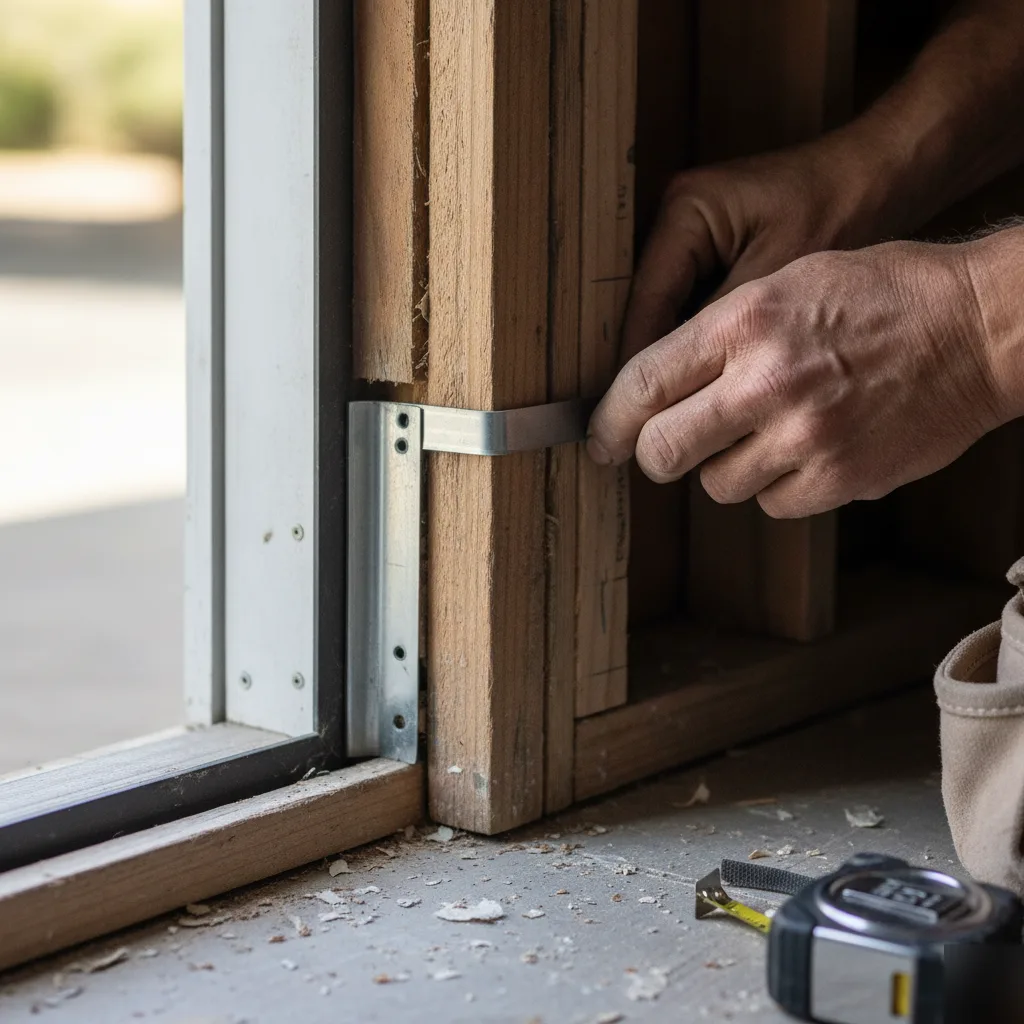
Material Selection for Northern Virginia's Climate
Here's something we tell every Leesburg homeowner before they pick a door: the material decision matters more than almost anything else.
Northern Virginia throws a lot at your front door. Humid summers that push into the 90s. Hard freezes in January. Rain that comes sideways off the Blue Ridge. That freeze-thaw cycle alone will destroy the wrong door material in just a few years, and we see it happen constantly in neighborhoods like Lansdowne on the Potomac where older homes are still running original wood doors that have swelled, warped, and let cold air pour through the frame.
So what actually holds up here? A few options work well, and each one has a real tradeoff worth knowing about.
- Fiberglass: Handles humidity and temperature swings without warping. Can be painted or stained to look like wood. Low maintenance year after year.
- Steel: Strong, energy-efficient, and budget-friendly. But it can dent, and in high-moisture areas it needs a good finish to resist rust over time.
- Wood: Beautiful. There's nothing like it. But wood demands real upkeep in this climate: refinishing, sealing, watching for soft spots near the bottom rail.
We lean toward fiberglass for most Leesburg installs. Not because it's often the cheapest option, but because it performs the best in this climate without asking much from you after installation. When we go back to a home five years later and the door still looks sharp, it's fiberglass.
The core rating matters too. A polyurethane foam core gives you better insulation than a polystyrene core, and that difference shows up on your energy bills every winter.
The finish on the frame matters just as much as the door slab itself. A poorly sealed frame lets moisture work its way in from the sides, which is exactly how you end up with rot damage even on a fiberglass door.
Get the material right first. Everything else builds on that.
Permits, HOA Rules, and Historic District Requirements in Leesburg
A lot of homeowners don't think about this part until we're already standing at their door. Then they ask, "Do I need a permit for this?" The honest answer is: it depends on where you live in Leesburg.
For most standard entry door installation projects, Loudoun County requires a building permit if you're changing the rough opening size.[2] Swapping a door in the same opening, same dimensions? That's typically a like-for-like replacement and may not trigger a permit. But the moment you're resizing, reframing, or adding a sidelight where there wasn't one before, you're in permit territory. We pull those permits every time. It protects you, it protects us, and it protects the work.
If you're in one of the HOA communities around the Lansdowne area or out near River Creek, there's another layer. Your HOA may have specific rules about:
- Approved door colors or finishes that match the community aesthetic
- Glass panel restrictions on front-facing doors
- Hardware styles or material requirements
- Required approval timelines before installation can begin
We've seen homeowners pick out a beautiful door only to find out their HOA won't approve the color. Get that approval in writing before you order anything.
The historic district is its own situation entirely. Parts of downtown Leesburg fall under historic preservation guidelines, and those guidelines are strict. The Virginia Department of Historic Resources sets standards for what's appropriate, and the Town reviews changes to make sure they're consistent with the character of the district. That doesn't mean you can't update your entry door. It means the door has to look right for the era and style of the home.
We know how to work within those requirements. We've done entry door installation in Leesburg's historic district before and know what gets approved and what doesn't.
Don't skip this step. A door installed without proper permits or HOA sign-off can create real headaches when you go to sell the house.