
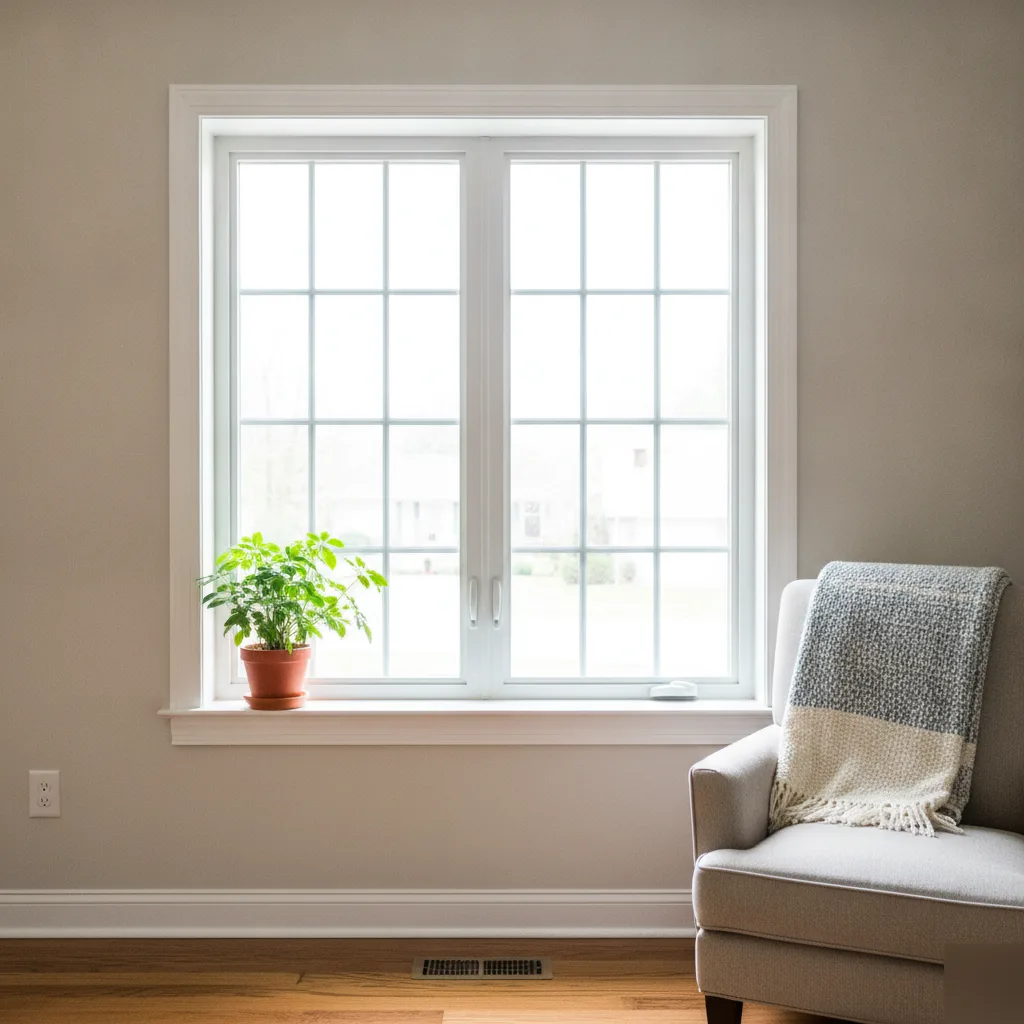
Signs Your Windows Are Losing Energy, Not Your Insulation
If a room feels drafty or your energy bill keeps climbing, the window, not your attic insulation, is often the real problem. Foggy glass, cold air near the frame, and windows that feel damp to the touch are classic signs the seal has failed. Catching these signs early helps you fix the actual issue instead of guessing.
Homeowners call us convinced their attic insulation is the problem. Often, it's the windows. Insulation loss shows up as uneven room temperatures throughout the house. Window loss shows up right at the glass, right at the frame, right where you're standing.
Many homes built in Ashburn during the late 1990s and early 2000s boom came with builder-grade vinyl windows. Twenty-plus years later, those seals are failing. The glass fogs up between the panes. That fog is a dead giveaway: it means the gas fill is gone and the window's insulating power went with it.
- Foggy or cloudy glass, even when it's clean on both sides
- You feel a cold draft while standing right next to the window
- Condensation forms on the inside of the glass in winter
- The frame itself feels cold to the touch, not just the glass
- One room runs noticeably hotter or colder than the rest of the house
Not sure which one is your problem? Hold your hand an inch from the glass on a cold day. Feel that draft. That's the window talking. If your energy bills spike every summer and winter but your attic insulation checks out fine, the window frames are usually the leak point nobody thought to check.
Learn about exterior home services.

When Window Replacement Isn't the Real Fix
Not every drafty window needs to be torn out. Sometimes the glass is fine and the problem is what's around it. Old caulking dries out and cracks after a few Virginia winters. That gap alone can feel like a full-blown draft. A can of foam and fresh caulk fixes that in an afternoon.
Foggy glass between the panes is different, though. That's a broken seal letting moisture in. Fine Homekeeping has more on what causes this phenomenon [1]. On some older double-pane units in Ashburn homes, it's just one bad pane, not the whole frame. We've walked into houses where the homeowner was ready to replace six windows and only one needed it.
High energy bills get blamed on windows a lot. It's not that simple.
Attic insulation, duct leaks, an old furnace working overtime-any of those can spike a bill just as fast as a bad window. So before you commit to a full window replacement, ask a straight question: is the glass failing, or is something else in the house pulling the weight? If your windows still open, close, and lock fine, and the only issue is a little condensation on a cold morning, that's often just humidity in the house, not a sign the window itself has given up.
We'd rather tell you the truth and fix the small thing than sell you windows you don't need yet.
What Makes a Window Truly Energy-Efficient
Here's the thing about energy-efficient windows: the glass matters more than most folks think. Two windows can look identical from the street and perform completely different once winter hits. We see this every week. Someone points at a shiny new window and asks why their heating bill didn't budge.
So what's actually going on behind that glass? A truly efficient window relies on a few working parts, not one magic feature.
- Low-E glass coatings that reflect heat back where it came from, keeping summer heat out and winter heat in
- Gas fill between the panes, usually argon, that slows down heat transfer
- Frame material: vinyl and wood both perform well when built and installed correctly
- A tight seal around the frame, because even great glass leaks air through a sloppy install
Ashburn summers get sticky and humid. Then winter swings cold fast. That back and forth stresses seals and frames more than a mild climate would. A window rated fine for a dry region can still underperform here if the install isn't tight.
Look, the label on the window tells part of the story, but installation finishes it. We install vinyl windows, wood windows, and casement windows across Ashburn. The fit around the frame matters just as much as what's printed on the glass.
Not sure if your current windows are pulling their weight? That's common, especially in homes with original windows still in place.
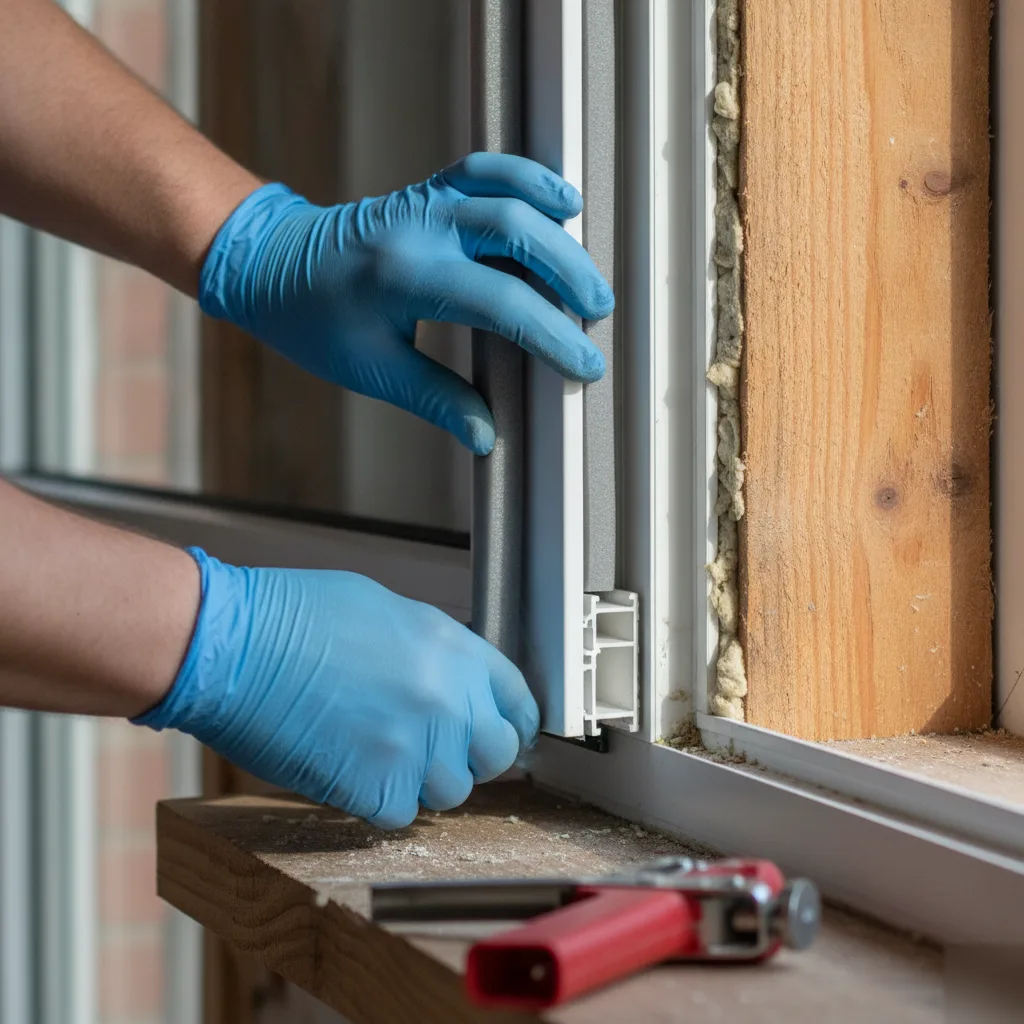
Replacing Windows in Ashburn's Older Townhomes and Single-Family Homes
Many parts of Ashburn went up fast in the 1990s and early 2000s. Whole neighborhoods of townhomes and single-family homes were built during that stretch. Most still have their original vinyl windows. Here's the thing about vinyl windows from that era: they were built to a lower standard than what's on the market now. Twenty-five years is about the ceiling for the seals inside a double pane window before they start to fail.
We get calls all the time from folks in these older townhome rows who notice fog between the panes on a cold morning. That fog is trapped moisture. Once that seal breaks, no amount of cleaning fixes it. The window has to be replaced.
- Fogging or a milky haze between the glass panes, especially on north facing rooms
- Windows that feel cold to the touch even when the heat's running fine
- Sashes that have started to sag or won't stay up without a prop
- Visible gaps around the frame where you can feel a draft with your hand
Single-family homes on larger lots tend to have bigger picture windows and bay windows up front. Those large panes lose heat fast once the seal goes. Townhomes usually have smaller openings but more of them per unit. So, the drafts add up room by room. Either way, the fix is the same conversation: pull the old unit, set a new energy-efficient window in that same opening, and get the frame sealed right this time.
We're not going to tell you every window in an older Ashburn home needs replacing today. Some are still doing fine. But if you're feeling a draft near the glass or seeing that foggy haze, that's your house telling you something.
Ready to Get Started?
We check every window by hand and give you a straight answer on what actually needs replacing. Get your free consultation today.
Call (703) 956-8610How Window Replacement Costs Are Structured
Window pricing isn't one flat number. It's built from a handful of moving parts. Once you know what they are, quotes stop feeling like a mystery.
Material is the first big driver. Vinyl frames cost less than wood, but wood offers a different look and feel for older or historic homes. Glass package matters too. Double pane glass with a Low-E coating blocks more heat and cold than single pane. It costs more up front but works harder every day of the year.
- Frame material: vinyl versus wood versus fiberglass
- Glass type and coatings, including Low-E and gas fills between panes
- Window style, since bay and bow windows take more labor than a standard picture window
- Full frame replacement versus a pocket install where the old frame stays
- Number of windows being done at once, which affects labor efficiency
- Any structural repair needed around the opening before the new window goes in
Labor complexity swings the number a lot. A pocket replacement, where we slide a new window into the old frame, is quicker. A full frame job takes the whole opening down to the studs. That's more work, but it's often the right call when there's rot or the frame's out of square.
Here's a question worth asking any contractor before you sign anything: is this quote for a pocket install or full frame? The answer changes the price and the outcome. Ask it every time.
We walk every homeowner through these factors before we ever talk numbers. That way you know exactly what you're paying for and why.
View our window service offerings in Leesburg.